
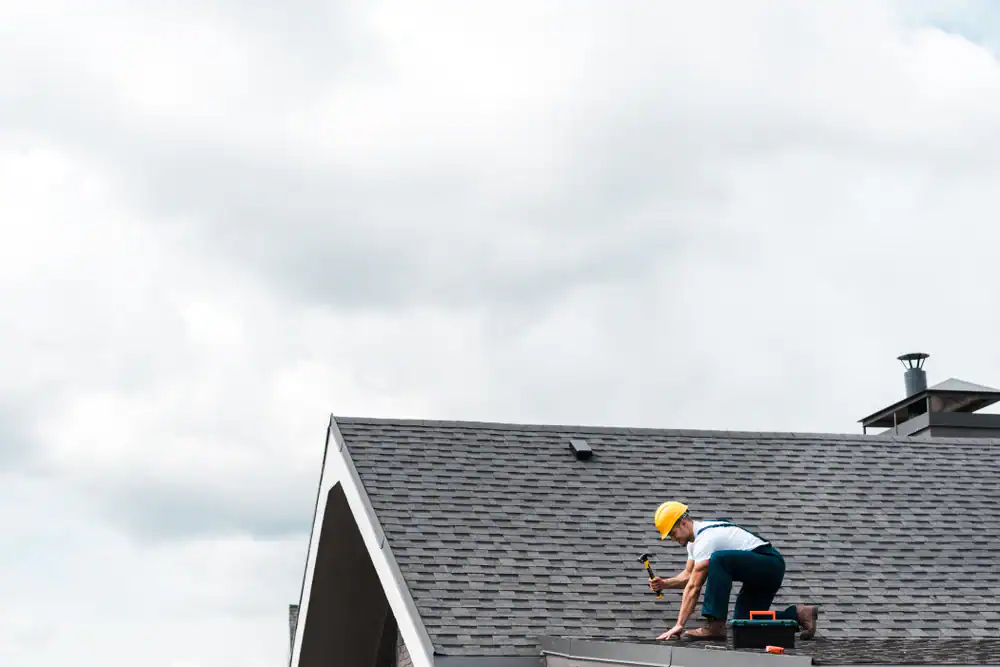
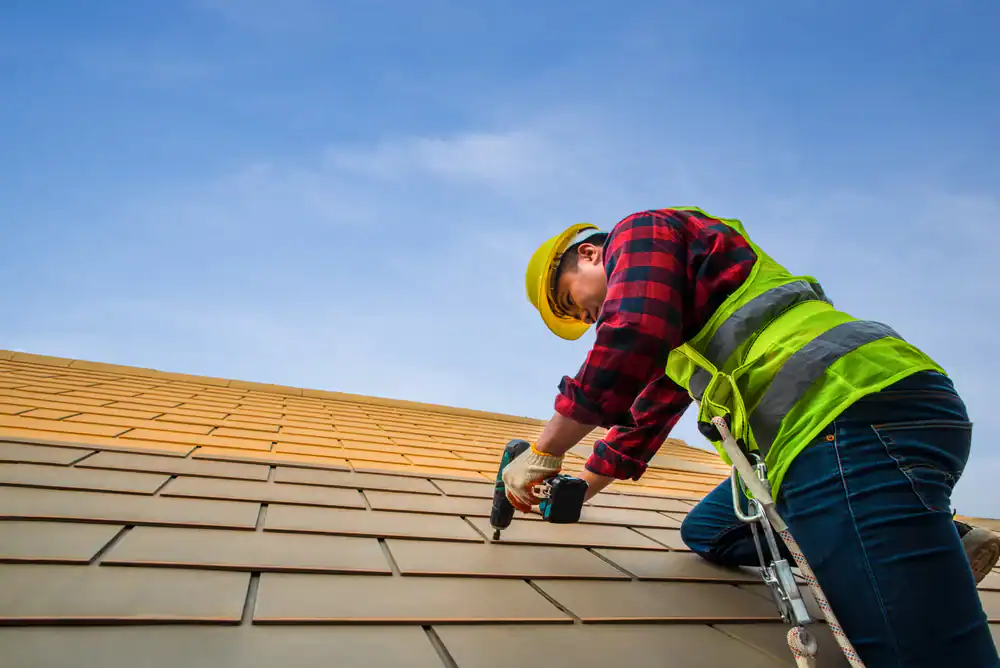
You know that sinking feeling when you spot water stains on your ceiling after a storm. Or when you’re lying awake at 2 AM listening to wind rattle loose shingles above your head.
Here’s what changes after we fix your roof properly. You stop worrying every time dark clouds roll in from the Gulf. Your energy bills drop because your home isn’t bleeding conditioned air through damaged areas. Most importantly, you sleep better knowing your family and belongings stay dry no matter what Southeast Texas throws at you.
The difference between a real repair and a band-aid fix becomes obvious during the next storm season. Real repairs use quality materials rated for our climate. They address the root cause, not just the symptom you can see from the ground.
Southern Roofing Solutions serves the Bevil Oaks community because we understand what it’s like to live six miles west of Beaumont in Jefferson County. We’ve been through the same hailstorms that dented your neighbor’s cars. We know how quickly afternoon thunderstorms can turn violent when Gulf moisture meets those cool fronts.
That local knowledge matters when you’re choosing someone to work on your home. We’re not storm chasers who disappear after taking your money. We’re your neighbors, and we’ll be here next year when you need maintenance or have questions about your warranty.
Being local also means we know which insurance adjusters are reasonable and which ones try to lowball claims. We’ve worked with most of them, and we know how to document damage properly so you get the coverage you deserve.
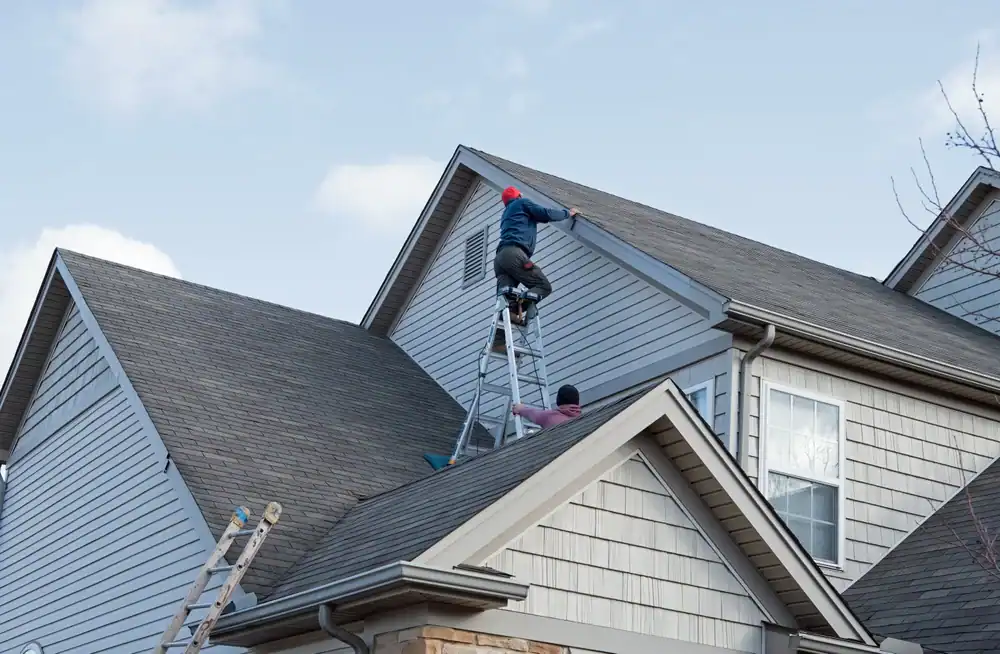
We start with a thorough inspection – not a quick glance from the driveway. That means getting on your roof with proper safety equipment to check shingles, flashing, gutters, and underlayment. We document everything with photos so you see exactly what we’re seeing.
Next comes a clear explanation of what needs fixing and why. No confusing technical jargon or pressure tactics. Just honest information about what’s wrong, what it costs to fix, and what happens if you wait.
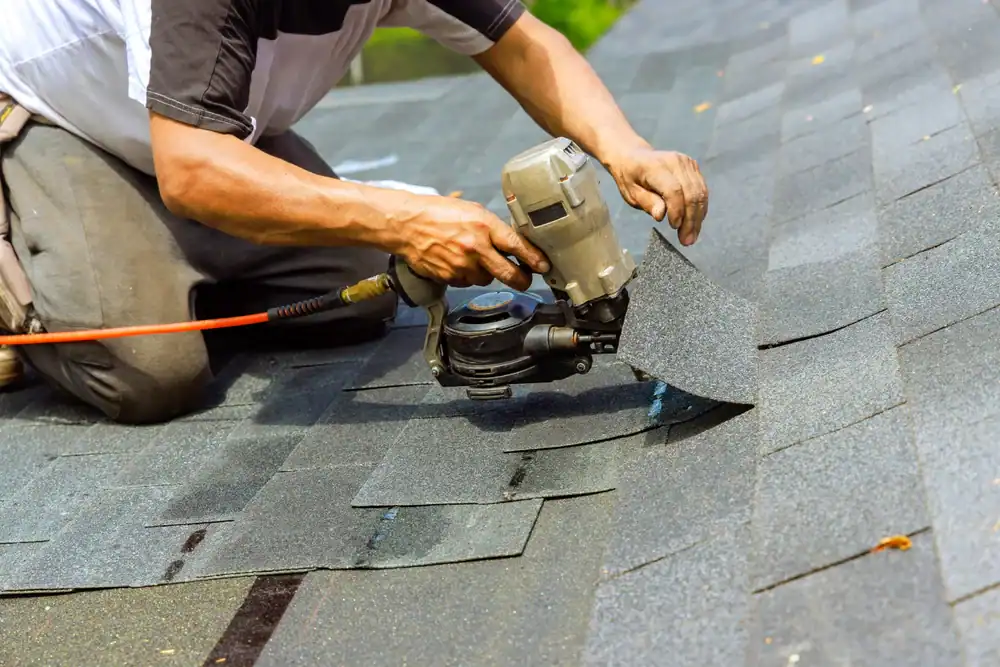
The actual repair work follows industry best practices using materials rated for Texas weather. We don’t cut corners on underlayment or flashing because those “invisible” components determine whether your repair lasts five years or fifteen. Clean-up happens as we work, not just at the end, because we respect your property.
Ready to get started?
Texas puts roofs through hell. Between March and June, we get some of the most intense hailstorms in the country. Summer heat that regularly hits triple digits. Hurricane season bringing sustained winds and driving rain. Then winter freezes that make materials contract and expand.
Your roof repair needs to handle all of that, which is why we use impact-resistant materials whenever possible. Class 4 shingles that can take a 2-inch hailstone hit. Metal flashing that won’t corrode in our humid climate. Underlayment that creates a true waterproof barrier, not just a speed bump for moisture.
We also know Bevil Oaks sits in that Golden Triangle industrial corridor where air quality and chemical exposure can accelerate roof deterioration. That’s why material selection matters more here than in some other parts of Texas. Cheap fixes don’t last in this environment.
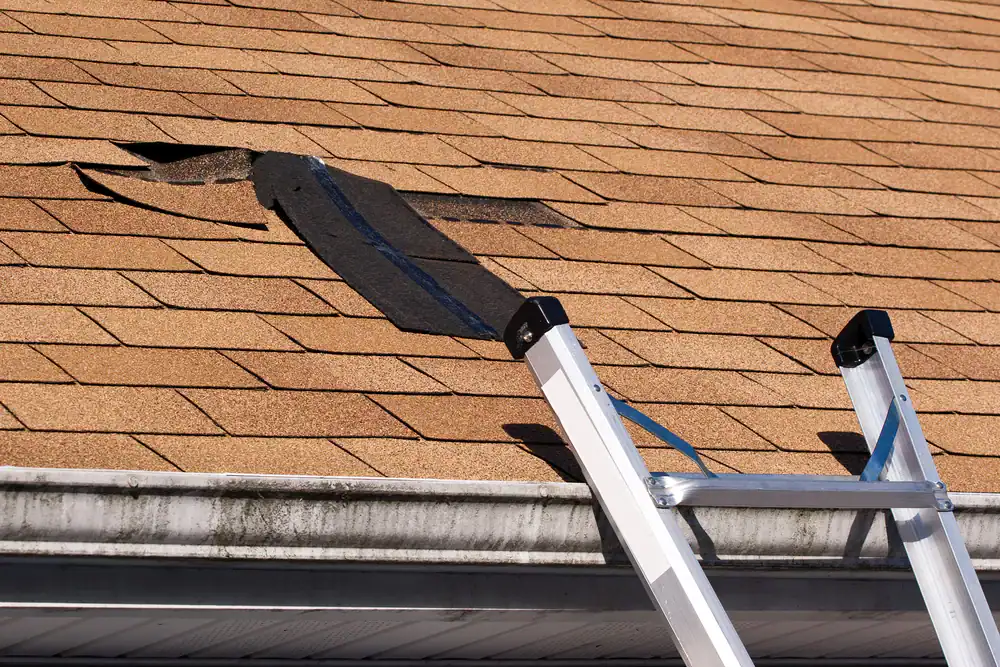
Most roof repairs in our area run between $300 and $2,500, depending on what’s damaged and how extensive the problem is. A few missing shingles might cost $400 to fix properly. Hail damage across half your roof could run $1,800.
Here’s what drives the cost up or down. Size of the damaged area obviously matters, but so does accessibility. A simple patch on a single-story ranch costs less than the same repair on a steep two-story with dormers. Material choice affects price too – basic three-tab shingles cost less than architectural shingles, but they also don’t last as long in our climate.
Emergency repairs cost more because of urgency and after-hours labor, but they’re still cheaper than letting water damage spread to your interior. Most homeowners find that addressing problems quickly saves money compared to waiting until the next storm makes things worse.
Texas homeowner insurance typically covers sudden storm damage like hail, wind, and fallen tree limbs. The key word is “sudden” – gradual wear and aging don’t qualify, but storm damage usually does.
Getting your claim approved depends on proper documentation and timing. Insurance companies want to see photos of the damage and a professional assessment within a reasonable time after the storm. Waiting six months to file a claim raises red flags with adjusters.
We work directly with insurance companies and know how to present damage in terms they understand. That includes pointing out issues that homeowners might miss, like granule loss that reduces shingle effectiveness or small punctures that will become big leaks. Our documentation helps ensure you get fair compensation for necessary repairs.
Hail damage isn’t always obvious from the ground, especially in the first few months after a storm. Start by checking your gutters for granules – those small rock-like pieces that protect asphalt shingles. Lots of granules in your gutters after a storm usually means hail knocked them loose.
Look at your air conditioning unit, patio furniture, or car for dents. If hail was big enough to dent metal or plastic, it definitely hit your roof hard enough to cause damage. Sometimes you’ll see obvious missing shingles or cracked tiles, but subtle damage like bruised shingles or loosened flashing requires a closer look.
The tricky part is that hail damage gets worse over time. Shingles that look fine in July might start failing by December as weather cycles stress the damaged areas. That’s why professional inspection makes sense even when you don’t see obvious problems. We know what to look for and how to document findings for insurance purposes.
Quality repairs using proper materials should last 10-15 years in our climate, assuming normal maintenance. That’s realistic for Southeast Texas where we deal with extreme heat, humidity, hail, and occasional hurricanes.
The key is using materials rated for our conditions. Standard three-tab shingles might work fine in Minnesota, but they break down faster under constant UV exposure and thermal cycling. Impact-resistant shingles cost more upfront but typically last longer and may reduce your insurance premiums.
Proper installation matters as much as material quality. Shortcuts like inadequate flashing or missing underlayment will cause premature failure regardless of shingle quality. That’s why we focus on the whole roofing system, not just the visible parts. A repair is only as strong as its weakest component, and in Texas weather, every component gets tested regularly.
If damage covers less than 30% of your roof and the undamaged areas are in good condition, repair usually makes financial sense. But if you’re looking at widespread damage or your roof is over 15 years old, replacement might be the smarter long-term choice.
Age matters because older roofs have reduced resistance to storm damage. A 20-year-old roof that survives this hailstorm might not survive the next one, leaving you with repeated repair costs. Sometimes it’s better to invest in a complete roof replacement that will protect your home for the next two decades.
We’ll give you honest advice about repair versus replacement based on your roof’s condition, not what generates the biggest invoice. Sometimes a $1,200 repair makes perfect sense. Other times, spending that money on a roof that needs replacement anyway just delays the inevitable while leaving you vulnerable to the next storm.
Yes, we handle emergency repairs when storms cause immediate threats to your home’s interior. That includes situations like missing shingles that expose underlayment, punctures from fallen branches, or damaged flashing that’s letting water into your attic.
Emergency repairs focus on stopping immediate damage while planning proper permanent fixes. We might install temporary tarps or patch materials to keep water out, then return when conditions allow for complete repairs. This two-step approach prevents interior water damage while ensuring the permanent fix is done right.
Keep in mind that emergency calls cost more due to urgency and after-hours work, but they’re still less expensive than letting water damage spread through your home. We also prioritize emergency calls from existing customers and Bevil Oaks residents because we understand that protecting your home can’t wait for convenient scheduling.
Other Services we provide in Bevil Oaks