
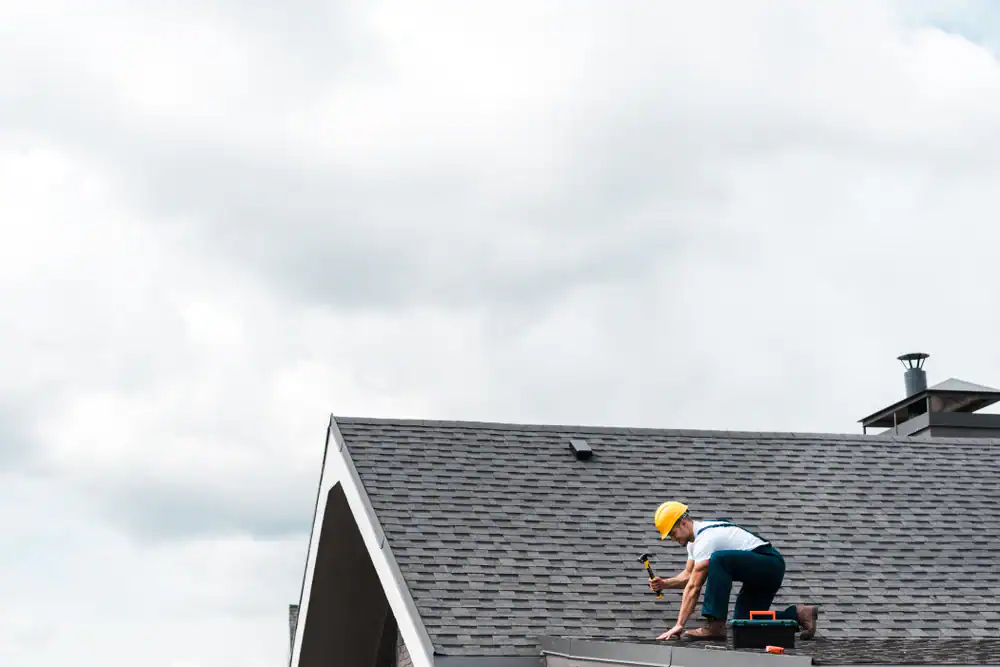
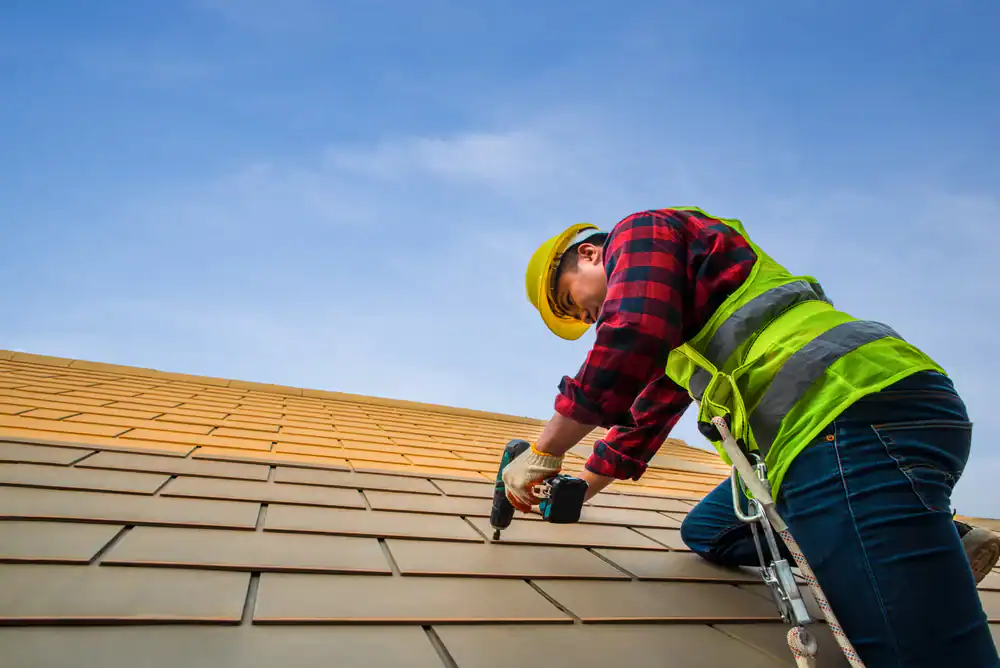
You shouldn’t have to stress every time storm clouds roll in. When your roof is properly repaired, you get back to living without wondering if the next rain will bring water spots on your ceiling.
A solid roof repair means no more buckets in the attic. No more sleepless nights during storms. No more emergency calls to roofers at premium prices.
Your home stays dry. Your family stays comfortable. Your biggest investment stays protected.
Southern Roofing Solutions understands what Jasper homeowners face. The humidity that warps shingles. The sudden storms that tear through with little warning. The hail that dents metal and cracks tiles.
We’ve been fixing roofs in East Texas long enough to know that quick patches don’t last. Quality repairs do. That’s why we use materials built for this climate and techniques that hold up when the next storm hits.
When you call, you’re talking to people who live here too. We know your neighborhood. We’ve probably fixed your neighbor’s roof.
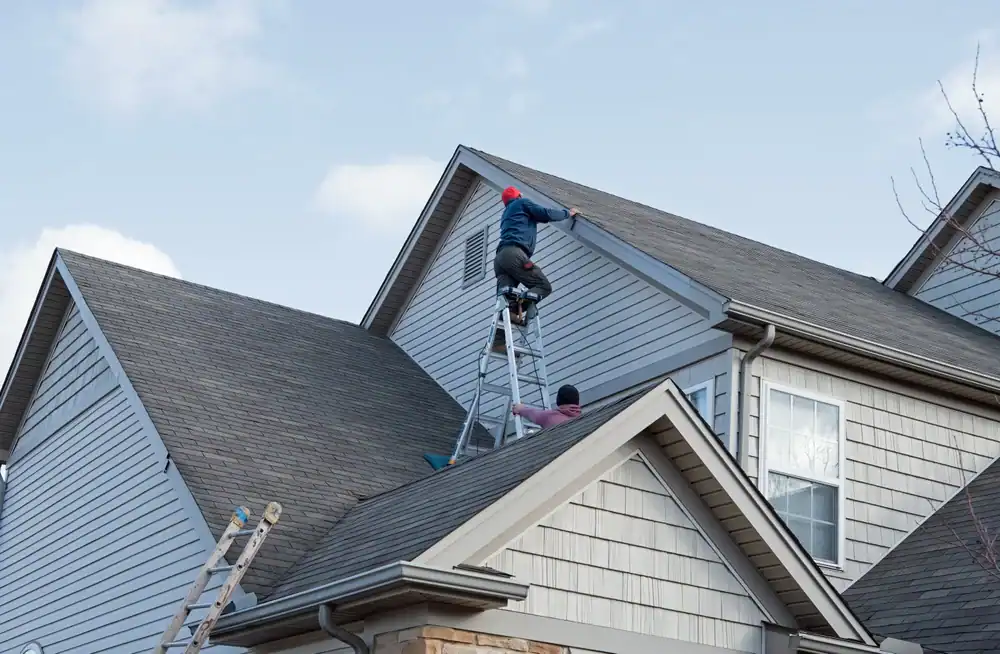
First, we inspect your roof thoroughly. Not just the obvious damage you can see from the ground, but the hidden issues that cause bigger problems later. We document everything with photos for your insurance company.
Next, we explain exactly what needs fixing and why. No surprises. No upselling. Just honest assessment of what your roof needs to keep your home protected.
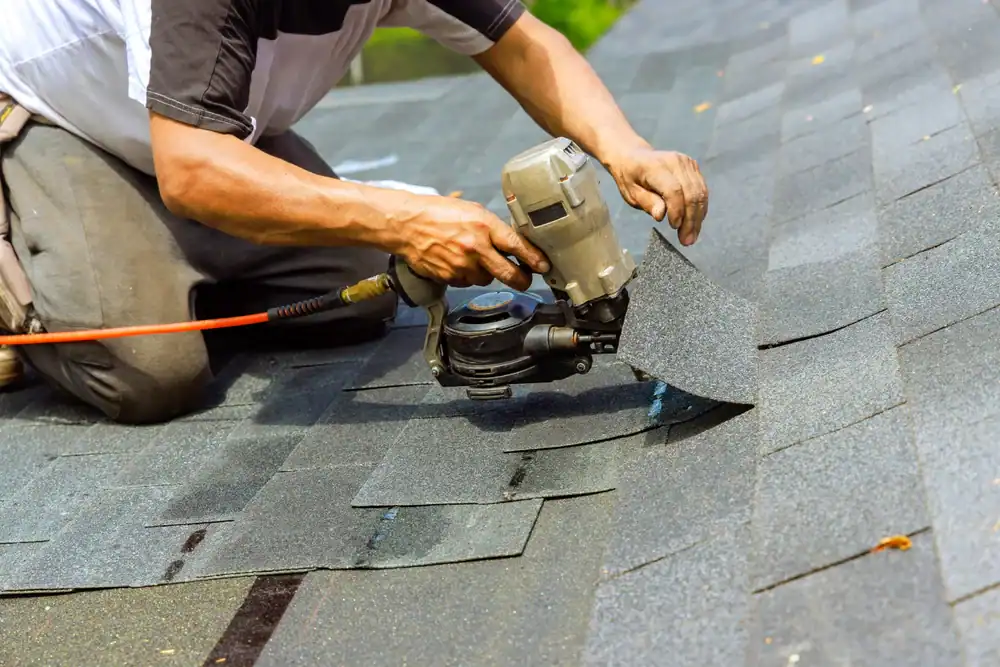
Then we get to work with materials designed for East Texas weather. We clean up completely when finished. Your yard looks better than when we started.
Ready to get started?
Every roof repair includes a thorough inspection of surrounding areas. Storm damage rarely hits just one spot. We check flashing around chimneys and vents. We examine gutters for clogs or damage that could cause water backup.
In Jasper, we pay special attention to areas where humidity causes problems. Attic ventilation gets checked. Moisture barriers get inspected. These details matter when you’re dealing with East Texas weather patterns.
You get documentation of all work completed. Photos of before and after conditions. Materials lists for warranty purposes. Everything you need if insurance questions come up later.
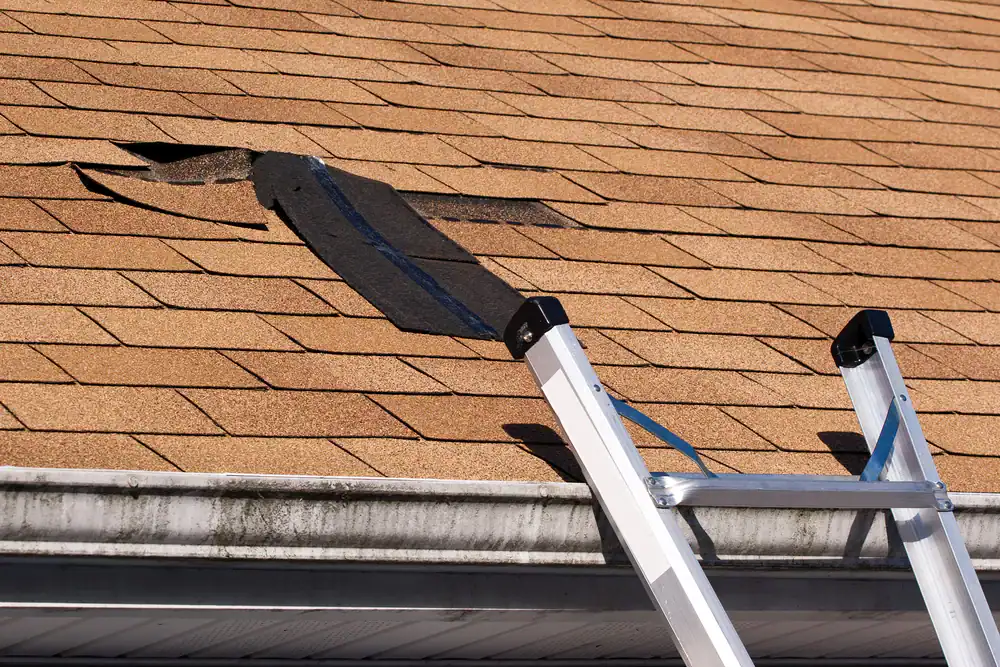
Emergency roof repairs get priority response, typically within 24 hours of your call. Storm damage creates urgency – the longer water sits, the more expensive repairs become.
For active leaks, we provide temporary protection first to prevent further damage. Then we assess the full scope of needed repairs. This approach saves you money by stopping additional water damage while planning permanent fixes.
During storm season, response times may extend slightly due to high demand, but emergency situations always get immediate attention.
Minor repairs like fixing a few loose shingles or sealing small leaks typically cost $150-$500. Moderate repairs involving shingle replacement or flashing work range from $300-$1,000.
Major repairs requiring structural work or extensive shingle replacement can cost several thousand dollars. However, catching problems early through regular inspections keeps most repairs in the minor category.
We provide detailed estimates before starting work. No surprises on your bill. Many repairs qualify for insurance coverage, especially storm-related damage.
Most homeowners insurance policies cover storm damage, including wind and hail damage to roofs. However, you must file claims within specific timeframes – typically one year from the damage date.
Documentation is critical for successful claims. Professional roofers provide detailed damage assessments with photos that insurance adjusters need. We can also work directly with your insurance company during the claims process.
Gradual wear and maintenance issues typically aren’t covered. But sudden storm damage, fallen tree damage, and weather-related problems usually qualify for coverage.
Check your gutters first – granules from damaged shingles collect there after hail storms. Look for dents in metal gutters or downspouts, which indicate hail impact.
From the ground, scan for missing or curled shingles, damaged flashing around chimneys, or debris on the roof. If your car has hail damage, your roof probably does too, even if you can’t see it from below.
Inside your home, watch for water stains on ceilings or walls. These often appear days or weeks after storm damage as water finds its way through compromised roofing materials.
Architectural shingles perform well in East Texas because they resist wind uplift better than basic three-tab shingles. Metal roofing handles hail impact and extreme heat effectively, though it costs more upfront.
For flat or low-slope roofs, TPO and modified bitumen systems work well with proper installation. These materials resist the UV damage and thermal cycling common in this climate.
Avoid materials that don’t handle humidity well. Cedar shakes can develop mold issues. Basic asphalt shingles may not withstand repeated hail events that are common in this area.
Yes, getting 2-3 quotes helps ensure fair pricing and reveals any issues one contractor might miss. However, don’t automatically choose the lowest bid – extremely low prices often indicate corners being cut.
Compare what each contractor includes in their estimate. Some provide comprehensive repairs while others only address obvious damage. The cheapest quote might cost more long-term if it doesn’t solve underlying problems.
Look for contractors who provide detailed written estimates, carry proper insurance, and have local references. Price matters, but quality work that lasts matters more.
Other Services we provide in Jasper