
You sleep through the next storm without worry. No more buckets catching drips or wondering if that “small” hail damage is actually stealing years off your roof’s life.
Your insurance claim gets handled properly, with the documentation and photos adjusters actually need. You get materials that can handle Southeast Texas weather—not whatever’s cheapest that week.
The work gets finished when promised, the cleanup is thorough, and you’re not left wondering if we’ll answer the phone six months from now.
We understand what Southeast Texas weather does to roofs because we deal with the same storms you do. We’ve been handling everything from sudden hail damage to those sneaky leaks that show up months after a storm.
We’re not storm chasers who disappear after the check clears. When you call us back in two years because you need a small repair, we’ll be here.
Kenefick homeowners know that our weather doesn’t mess around. From March through May, hail season can turn a perfect afternoon into a roof emergency. We’ve seen what happens when contractors cut corners or use materials that can’t handle the heat, humidity, and sudden storms that define life in Southeast Texas.
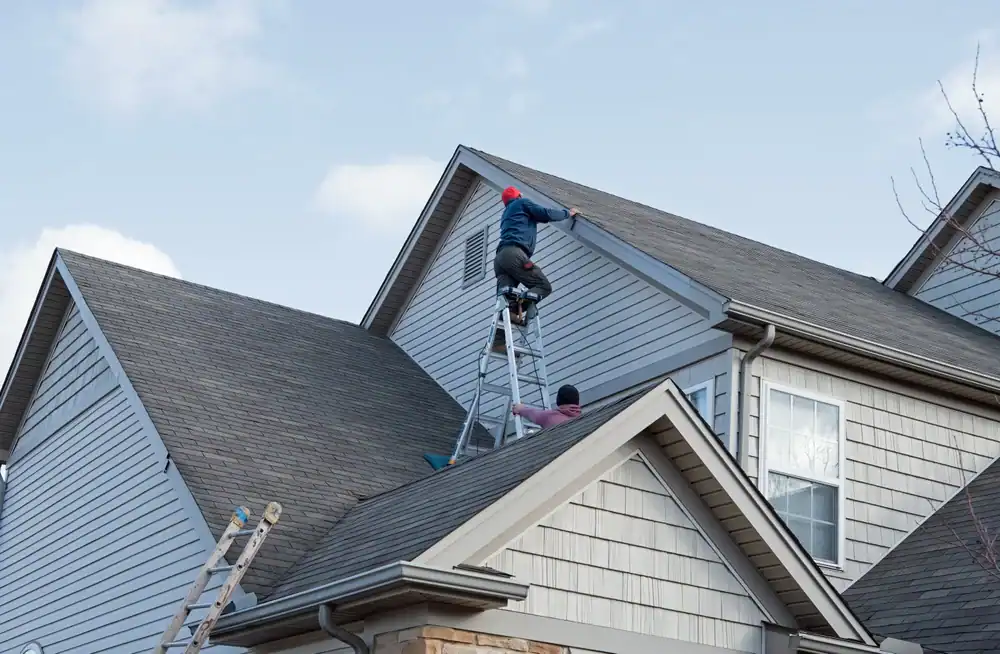
First, we actually show up when we say we will and do a thorough inspection—not just the obvious damage you can see from the ground. We check for the hidden stuff that storm damage causes, like loose shingles and weakened seals that’ll turn into bigger problems later.
We document everything with photos and detailed notes, especially if you’re dealing with insurance. We know what adjusters look for and how to present damage so your claim doesn’t get denied over paperwork.
Then we fix it using materials that make sense for Southeast Texas—not whatever’s on sale. We clean up properly afterward because nobody wants roofing debris in their yard for months. You get a warranty on our work, and when we say we’ll handle something, we handle it.
Ready to get started?
You get a complete assessment of storm damage, not just the obvious spots. We check flashing, gutters, vents, and all the places where Southeast Texas weather likes to cause problems that homeowners miss.
For Kenefick area homes, this means understanding how our specific weather patterns affect different roofing materials. We know which shingles hold up to the heat and humidity, how hail damage shows up on metal roofing, and why that “small” leak might actually be a sign of bigger issues.
Insurance documentation comes standard—photos, measurements, and reports written the way adjusters need them. We’ve worked with most of the major insurance companies and know how to get claims approved without the back-and-forth that wastes everyone’s time.
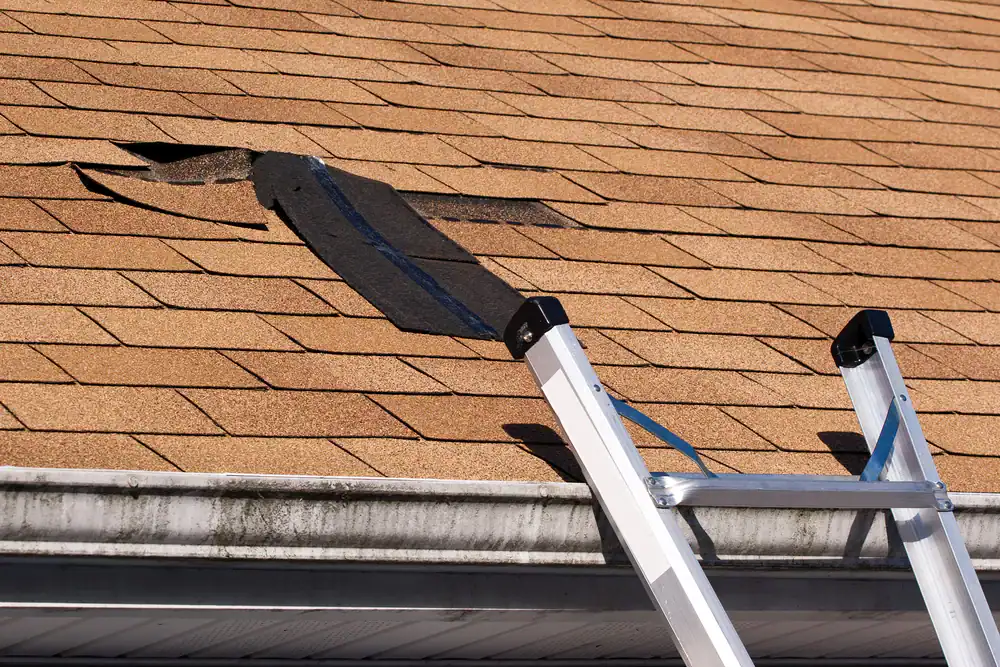
Hail damage isn’t always obvious from the ground, especially the kind that causes long-term problems. Check your gutters for granules that look like coarse black sand—that’s a clear sign your shingles took a hit.
Look for dents on metal components like gutters, vents, and flashing. If those soft metals are damaged, your shingles probably are too. On the roof itself, hail creates dark spots or bruises where it knocked off protective granules.
The tricky part is that some hail damage doesn’t show up for weeks or months. Small impacts weaken the shingle material, and Southeast Texas heat and rain gradually turn those weak spots into leaks. That’s why getting a professional inspection after any significant storm is worth it—even if everything looks fine from your yard.
Most homeowner’s insurance policies in Texas cover hail and storm damage, but getting the claim approved depends heavily on proper documentation and timing. Insurance companies want to see clear evidence that the damage came from a specific weather event, not normal wear and tear.
We handle the documentation part—taking the right photos, measuring impact sizes, and writing reports that adjusters can actually use. We know which insurance companies require what kind of evidence and how to present damage in a way that gets claims approved quickly.
The key is acting reasonably fast after a storm. Most policies give you a year to file a claim in Texas, but waiting too long makes it harder to prove the damage came from a specific storm rather than general aging. If you suspect damage, get it inspected and documented even if you’re not sure you want to file a claim yet.
Simple repairs like replacing a few damaged shingles or fixing minor flashing issues usually take a day or less. More extensive storm damage repair can take 2-3 days, depending on how much of the roof needs work and what materials we’re dealing with.
Weather affects timing, obviously. We can’t install new roofing during active storms, but we can do temporary repairs to stop leaks until conditions improve. Southeast Texas weather can be unpredictable, so we always plan for potential delays and communicate if schedules need to shift.
The biggest factor is actually material availability. After major storms hit the area, certain roofing materials can be in short supply. We keep relationships with multiple suppliers specifically to avoid delays, but sometimes matching existing materials perfectly takes a few extra days. We’ll always let you know upfront if we’re looking at any supply issues.
Repair makes sense when the damage is localized—a section of shingles, some flashing, or specific areas where storm damage occurred. If less than 30% of your roof is damaged and the underlying structure is sound, repair is usually the most cost-effective option.
Replacement becomes necessary when damage is widespread, when the roof is nearing the end of its useful life anyway, or when repeated repairs aren’t solving the underlying problems. In Southeast Texas, roofs typically last 15-20 years depending on materials and weather exposure.
Sometimes insurance makes the decision for you. If repair costs approach a certain percentage of replacement costs, many policies will only cover full replacement. We’ll assess both options honestly and help you understand what makes the most financial sense, both for the immediate situation and long-term protection of your home.
We handle asphalt shingles, metal roofing, tile, and flat roofing systems—basically everything you’ll find on homes in the Kenefick area. Each material responds differently to Southeast Texas weather, so knowing how to work with all of them matters for proper repairs.
Metal roofing can show cosmetic denting from hail but rarely needs full replacement unless the damage is severe. Asphalt shingles are more vulnerable to granule loss and bruising that weakens the underlying material. Tile roofing can crack or break from impact but individual tiles can often be replaced without major work.
The key is matching existing materials properly and understanding how different roofing systems handle our climate. We keep relationships with suppliers for all the major brands and material types, so we can usually match what you already have rather than forcing you into a complete change just for a repair.
Simple repairs like replacing a few shingles or fixing minor flashing typically run $300-800, depending on materials and access difficulty. More extensive storm damage repair can range from $1,500-5,000, depending on how much area needs work and what materials we’re dealing with.
The honest answer is that every situation is different. A small leak might be a $400 shingle replacement, or it might be a sign of more extensive damage that requires several thousand dollars of work. We always provide detailed estimates that break down materials, labor, and exactly what work needs to be done.
Insurance coverage changes the equation significantly. If your claim is approved, you typically pay your deductible and insurance covers the rest. We work directly with insurance companies and can often give you a good sense of what your out-of-pocket costs will be before work begins. No surprises, no hidden fees—just honest pricing for quality work.
Other Services we provide in Kenefick