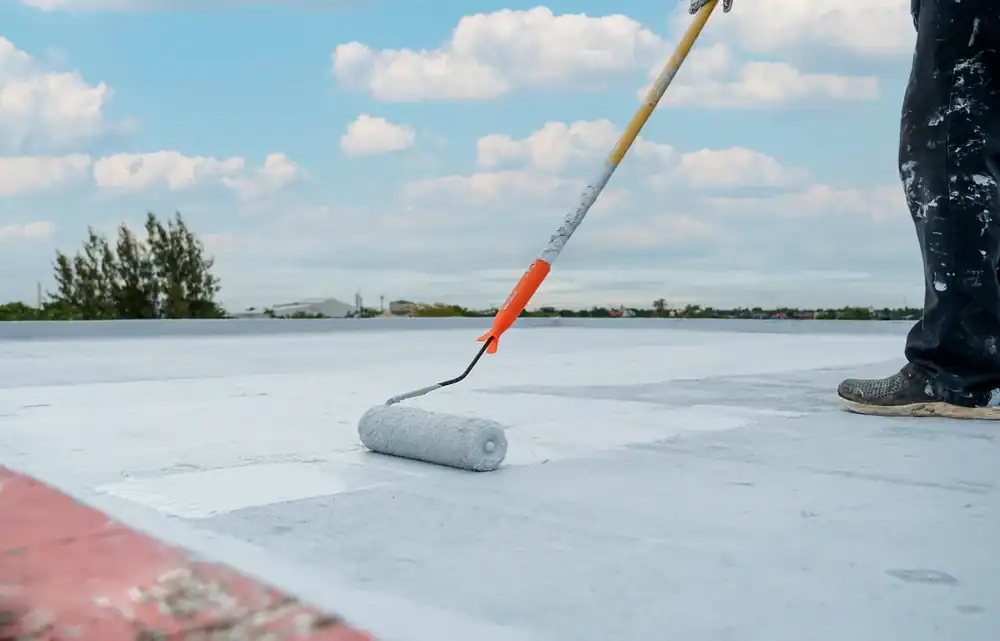
When your roof coating is applied correctly, you’ll notice the difference immediately. Your cooling costs drop because less heat penetrates your building. Your roof stops aging as quickly because UV rays can’t break down the materials underneath.
Most importantly, you avoid the headache of emergency repairs during storm season. The coating creates a waterproof seal that handles Beaumont’s intense rainfall and humidity without cracking or peeling.
You’re looking at 10-20 years of protection, depending on the coating type. That’s a decade or more without worrying whether the next thunderstorm will find a weak spot in your roof.
We’ve been protecting properties across Southeast Texas for years. We’ve seen what Beaumont’s climate does to roofs – the constant expansion and contraction from heat, the way Gulf humidity accelerates deterioration, the damage from sudden severe storms.
That’s why we only use coating systems proven to handle this specific environment. We’re not trying to sell you the cheapest option or whatever we have in stock. We match the coating to your roof type and our local weather patterns.
Our customers call us the cleanest roofing company they’ve worked with. When we finish your project, your property looks better than when we started.
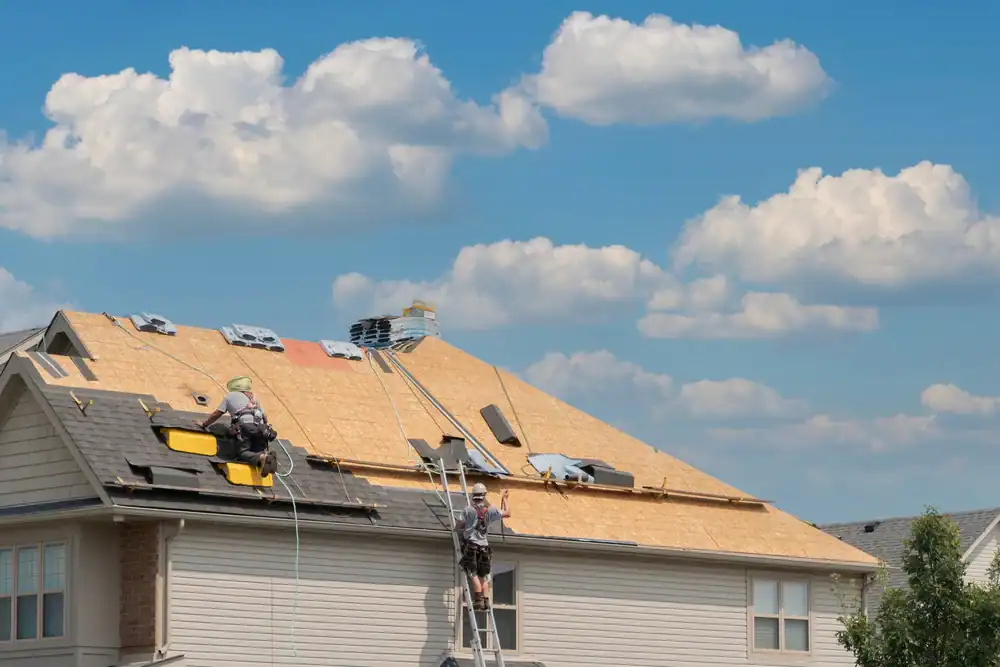
We start with a thorough inspection to identify any issues that need addressing before coating application. Small repairs happen first – there’s no point in coating over problems.
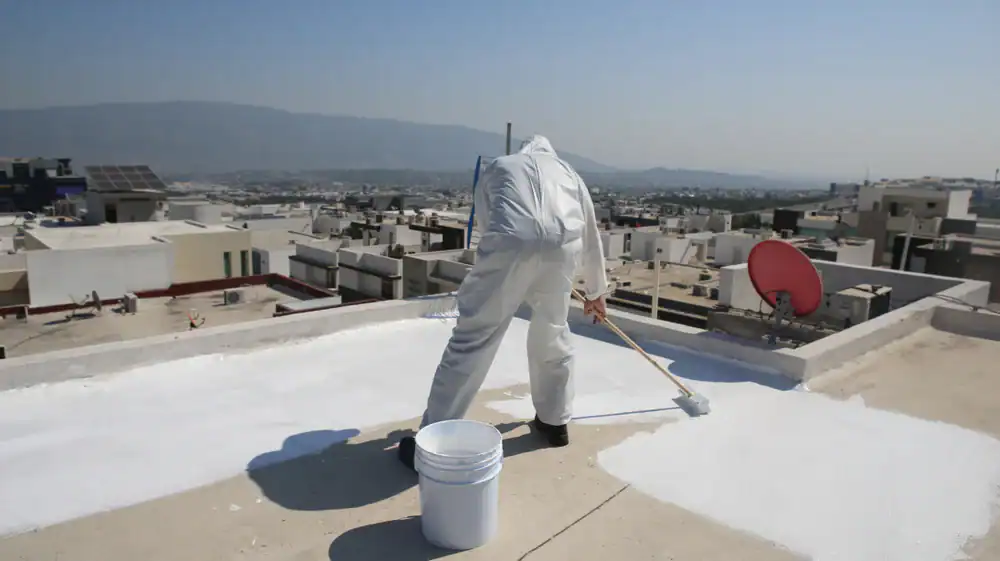
Next, we power-wash and prepare the surface. The coating needs clean, properly prepared material to bond correctly. This step determines how long your coating will last.
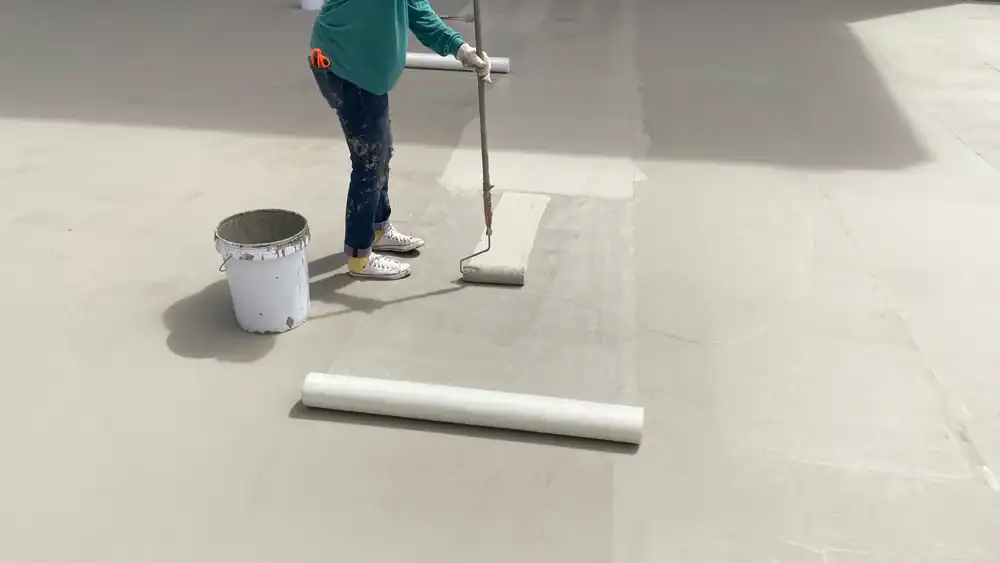
Then we apply the coating system in multiple layers if needed. We use spray or roll-on techniques depending on your roof type and the specific product. The goal is complete, even coverage with no thin spots or gaps.
Finally, we inspect everything before calling the job complete. You get a coating that will perform as expected because we don’t cut corners on application.
Ready to get started?
Silicone coatings work best for flat or low-slope roofs where water tends to collect. They’re not affected by standing water and maintain their reflective properties even after years of Gulf Coast weather.
Acrylic coatings offer excellent UV protection and reflectivity at a lower cost. They’re water-based, environmentally friendly, and perfect for sloped roofs that shed water quickly.
For metal roofs, we typically recommend specialized metal roof coatings that expand and contract with the material. These prevent rust and corrosion while adding energy efficiency.
In Beaumont’s climate, we often see the best results with silicone systems because they handle our humidity and frequent rain without degrading. But the right choice depends on your specific roof type, slope, and budget.
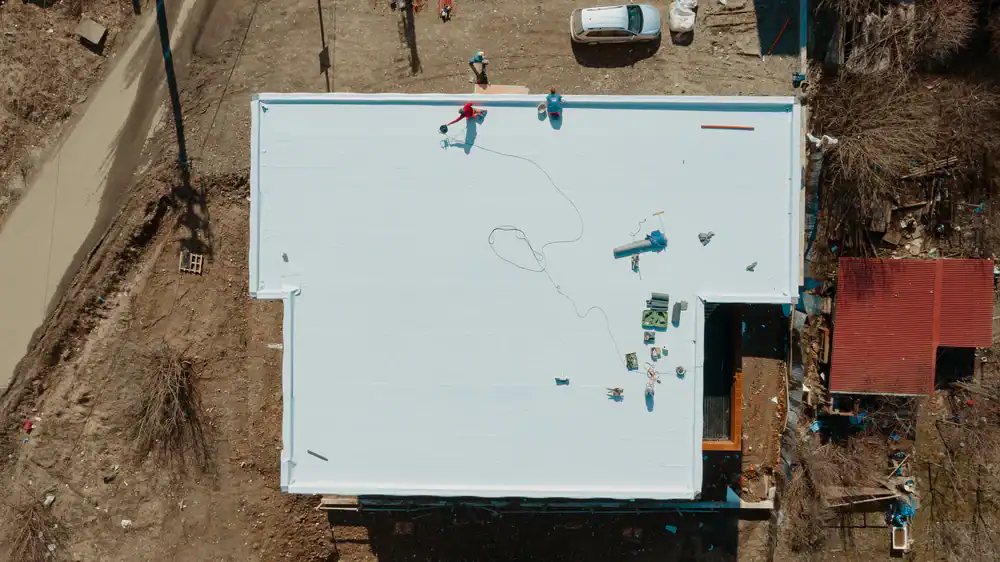
Quality roof coatings typically last 10-20 years in Southeast Texas, depending on the type and application. Silicone coatings tend to perform best here because they resist our high humidity and frequent standing water.
The key factors are proper surface preparation and using a coating designed for Gulf Coast conditions. Acrylic coatings might need reapplication sooner in our climate, while silicone systems often reach the full 20-year mark.
We’ve seen coatings fail early when contractors skip preparation steps or use products not suited for our weather. That’s why we only recommend systems with proven track records in humid, high-rainfall environments.
Yes, especially in Beaumont where cooling costs are significant. Reflective roof coatings can reduce your roof surface temperature by up to 50°F on hot days, which translates to less heat transfer into your building.
Most customers see 15-30% reductions in cooling costs during summer months. The exact savings depend on your building size, insulation, and current roof condition, but the difference is usually noticeable on the first utility bill after application.
The energy savings often pay for the coating within 3-5 years. After that, you’re saving money every month while also extending your roof’s lifespan and avoiding premature replacement costs.
Most roof types can accept coatings, but the specific product matters. Metal roofs need coatings that flex with thermal expansion. Single-ply membranes require compatible chemistry to avoid adhesion problems.
Built-up roofs, modified bitumen, concrete, and most other commercial roofing materials work well with the right coating system. The key is matching the coating to your existing roof material and condition.
We always inspect first to identify any compatibility issues or repairs needed before coating. Some severely deteriorated roofs aren’t good candidates – the coating is only as strong as what’s underneath it.
Roof coatings restore and protect your existing roof without tearing anything off. It’s typically 60-80% less expensive than full replacement and can be completed much faster with less disruption to your operations.
Replacement makes sense when the roof structure is compromised or when you’re dealing with multiple layers that need removal. But if your roof is structurally sound with surface-level aging, coatings often provide better value.
The coating essentially gives you a new roof surface with modern performance characteristics. You get improved energy efficiency, better weather protection, and extended lifespan without the cost and hassle of replacement.
The best candidates are roofs in decent structural condition with surface-level wear. Minor leaks, UV damage, and aging are perfect for coating systems. Major structural problems or multiple leak points usually require more extensive work first.
Age isn’t necessarily a disqualifier – we’ve successfully coated 20+ year old roofs that were well-maintained. The key factors are: no major leaks, solid substrate, and proper drainage.
We provide free inspections to evaluate coating suitability. Sometimes minor repairs are needed first, but often we can coat directly over the existing surface. The inspection tells us exactly what your roof needs.
Very little compared to traditional roofing. Annual inspections to check for any damage or debris accumulation, plus occasional cleaning to maintain reflectivity, are usually sufficient.
Most coatings are self-cleaning to some degree – rain washes away dirt and maintains performance. In areas with heavy tree coverage, you might need to remove leaves or branches more frequently.
The main thing is addressing any damage quickly. Small punctures or tears are easy to repair if caught early, but they can become bigger problems if ignored. We recommend professional inspections every few years to catch issues before they spread.
Other Services we provide in Beaumont