Choosing between shingle and metal roofing in Southeast Texas? We break down costs, hurricane resistance, and energy efficiency to help you decide what works best for Gulf Coast weather.
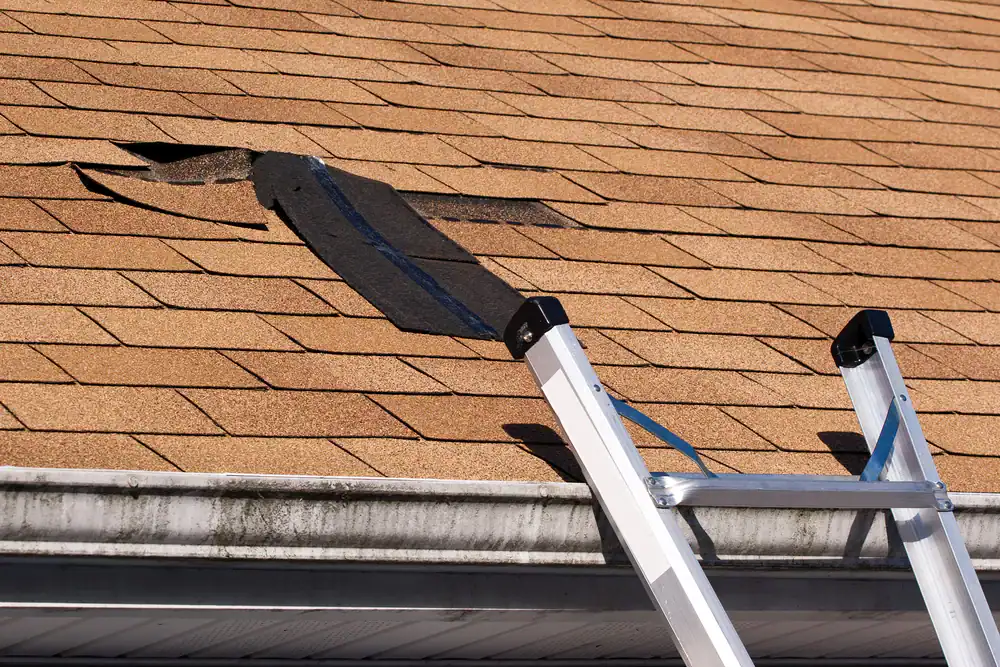
Asphalt shingles remain the most common roofing choice across Southeast Texas, and for good reason. They handle our climate reasonably well when properly installed, typically lasting 15-25 years in our harsh conditions. The key word here is “reasonably”—because Gulf Coast weather accelerates wear on any roofing material.
Modern architectural shingles perform significantly better than basic 3-tab options. They’re engineered to resist wind uplift up to 110 mph, which covers most storms but falls short during major hurricanes. Heat resistance has improved with reflective granules, though they still absorb more heat than metal alternatives.
The biggest advantage? Accessibility and cost. Most local contractors know shingle installation inside and out, parts are readily available, and individual shingles can be replaced if damaged. This makes repairs straightforward and keeps maintenance costs predictable.
For most Southeast Texas homes, architectural shingle installation runs $5,000-$14,000 depending on size, pitch, and complexity. That’s roughly $3.50-$5.50 per square foot installed, making it the most budget-friendly option for immediate roof replacement needs.
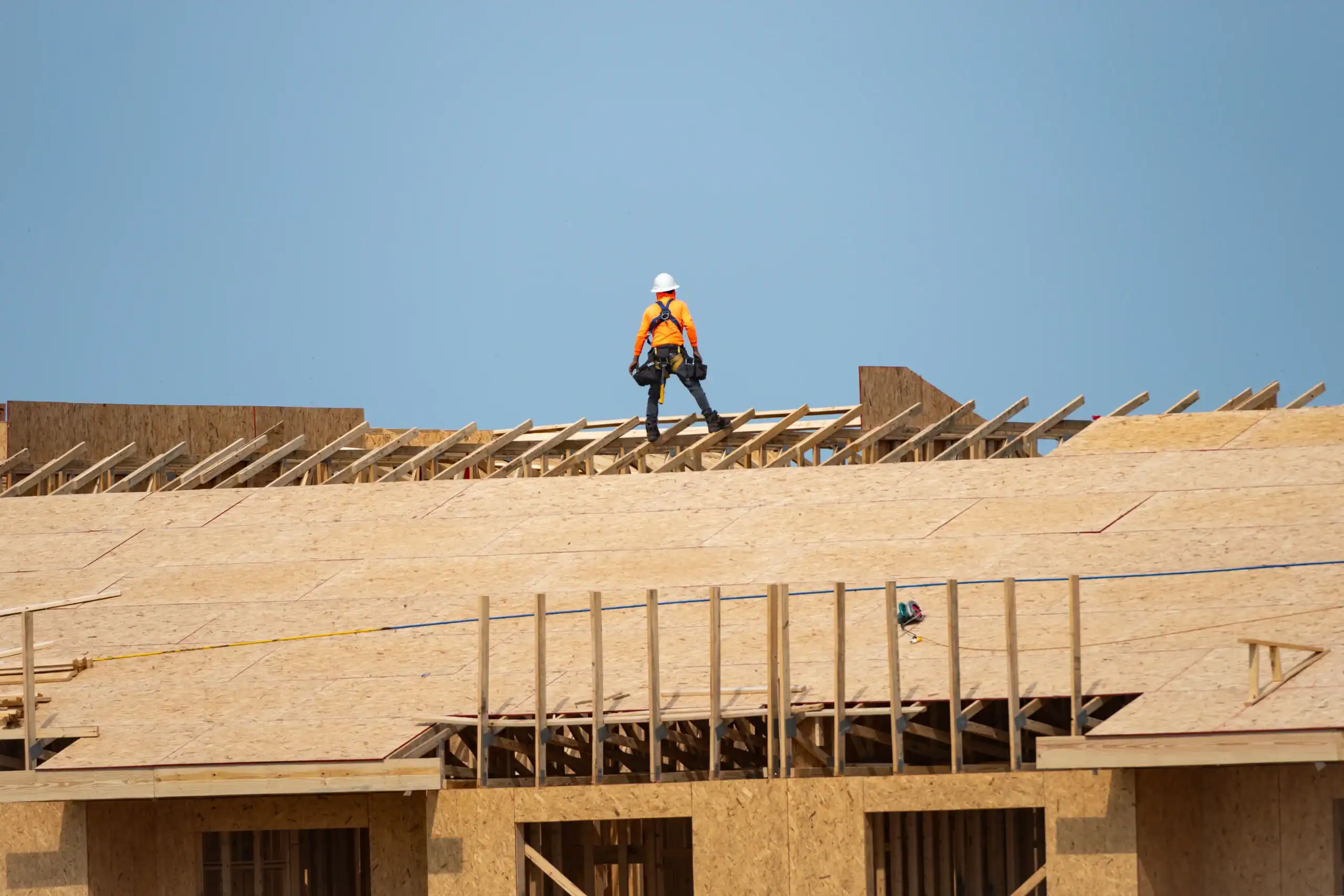
Installation moves fast. Most shingle roofing jobs finish in 1-2 days, which means less disruption to your daily routine and faster protection if you’re dealing with storm damage. The speed comes from widespread contractor familiarity—nearly every roofer in the region has extensive shingle experience.
But here’s what many homeowners don’t calculate upfront: replacement frequency. In our climate, shingles approaching 15-20 years old often need full replacement rather than repairs. Heat, UV exposure, and storm damage accumulate over time, meaning you’re looking at another full roof replacement sooner than you might expect. Factor in inflation and rising material costs, and that “affordable” option becomes more expensive over time.
The maintenance reality is also worth considering. Shingles require more frequent inspections after storms, occasional granule loss touch-ups, and faster deterioration around penetrations like vents and chimneys. While individual repairs stay affordable, they add up over the roof’s lifespan.
Traditional shingles absorb significant heat during our brutal summers, which translates directly to higher cooling costs. Your HVAC system works harder when your roof surface reaches 160°F or more on typical July days. Even with reflective granules, asphalt shingles can’t match the heat deflection of metal systems.
However, newer “cool roof” shingles have made real improvements. These use specially designed granules that reflect more solar radiation, potentially reducing cooling costs by 10-15% compared to standard shingles. The difference isn’t dramatic, but it’s noticeable on your energy bill during peak summer months.
Storm resistance tells a more complex story. Quality architectural shingles handle most Southeast Texas weather well, but they have limits. Wind resistance typically caps around 110 mph for standard installations, which covers most storms but not major hurricanes. Hail resistance varies significantly by product—Class 4 impact-resistant shingles perform much better than standard options but cost considerably more.
The real vulnerability comes from repeated storm exposure. Each weather event causes micro-damage that accumulates over time. A roof that survives one hurricane might fail during the next storm season, not from a single catastrophic event but from cumulative stress. This is why many insurance companies now require impact-resistant materials in coastal areas—they’ve seen the claims data showing how standard shingles perform over multiple storm cycles.
Water infiltration during heavy rains can also be problematic with shingles. While properly installed systems handle normal rainfall well, the intense downpours common during tropical weather can overwhelm drainage and find weak points around flashing and penetrations.
Want live answers?
Connect with a Southern Roofing Solutions expert for fast, friendly support.
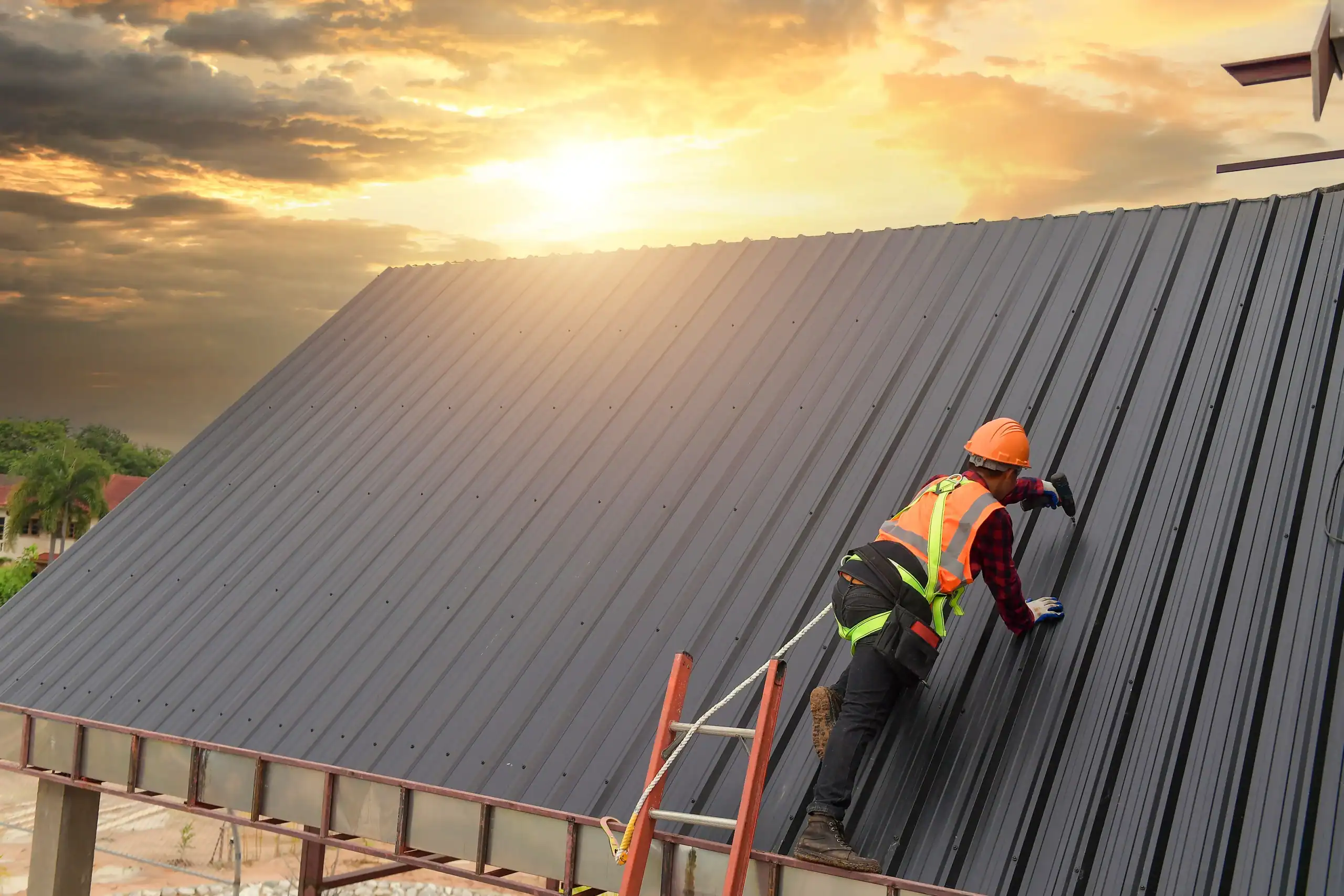
Metal roofing transforms how your home handles Southeast Texas weather. Instead of absorbing heat like shingles, metal reflects solar radiation, keeping your attic significantly cooler and reducing the load on your air conditioning system. Many homeowners see cooling cost reductions of 25-40% during summer months.
The durability difference is substantial. Quality metal roofing systems last 40-70 years in our climate, often outlasting the homeowner’s time in the house. They’re engineered to handle hurricane-force winds up to 140 mph when properly installed, meeting the most stringent coastal building codes.
But metal roofing isn’t just about surviving storms—it’s about thriving through them. The interlocking panel design and concealed fastener systems create a continuous barrier that sheds water effectively and resists wind uplift. After major weather events, metal roofs typically need minimal repairs compared to other materials.
The upfront investment for metal roofing runs $10,000-$17,000 for most Southeast Texas homes, roughly double the cost of architectural shingles. Standing seam systems, which offer the best performance, typically cost $10-$16 per square foot installed. The higher price reflects both premium materials and the specialized installation expertise required.
Installation takes longer—usually 3-4 days for an average home—because proper metal roof installation requires precision. Panels must be perfectly aligned, and fastener placement is critical for long-term performance. Not every contractor has metal roofing expertise, which can limit your options and potentially increase costs in some areas.
However, the long-term value calculation changes everything. When you factor in the extended lifespan, reduced maintenance, energy savings, and potential insurance discounts, metal roofing often costs less over time. Many insurance companies offer premium discounts of 5-35% for impact-resistant and fire-resistant metal roofing materials.
The resale value impact is also significant. Homes with metal roofing can command a premium of 1-6% when sold, according to industry studies. In a market where homes regularly sell for $200,000-$400,000, that translates to $2,000-$24,000 in added value. Combined with the fact that buyers won’t need to budget for roof replacement anytime soon, metal roofing becomes a selling point rather than a concern.
Energy savings compound over time. With average annual cooling savings of $200-$500 compared to shingles, plus maintenance savings of $100-$250 annually, the break-even point typically occurs between years 15-20 of ownership. Beyond that point, metal roofing continues providing financial advantages throughout its lifespan.
Metal roofing excels in the exact conditions that challenge Southeast Texas homes most. Hurricane-force winds that can strip shingles leave properly installed metal roofing intact. The continuous panel design and mechanical fastening systems create a unified barrier that distributes wind loads across the entire roof structure rather than concentrating stress at individual attachment points.
Fire resistance provides another layer of protection important in drought-prone areas of Texas. Metal roofing carries a Class A fire rating—the highest available—which can be crucial during wildfire seasons or when nearby properties experience fires. This rating also factors into insurance calculations and may qualify for additional premium discounts.
Hail performance varies by metal type and thickness, but most quality systems handle typical Gulf Coast hail better than shingles. While large hail can dent metal panels, it rarely causes the immediate failure common with shingles. Even when cosmetic damage occurs, the roof typically remains watertight and functional.
The thermal performance advantage becomes most apparent during our extended summer heat. Metal roofing with reflective coatings can reduce roof surface temperatures by 50-60°F compared to dark shingles. This dramatic difference translates directly to lower attic temperatures and reduced cooling loads. Your HVAC system runs less frequently and works more efficiently, extending equipment life while cutting energy costs.
Water shedding capability also matters during heavy rainfall events. Metal roofing’s smooth surface and panel design move water off quickly, reducing the risk of wind-driven rain infiltration that can occur with shingle systems. The interlocking seams create multiple barriers against water penetration, providing redundancy that matters during extended storm events.
The choice between shingle and metal roofing ultimately depends on your priorities, budget, and timeline. Shingles offer lower upfront costs and faster installation, making them ideal if you need immediate storm protection or have budget constraints. They perform adequately in our climate with proper maintenance and regular inspections.
Metal roofing makes sense if you’re planning to stay in your home long-term and want maximum protection against Gulf Coast weather. The higher initial investment pays dividends through energy savings, reduced maintenance, insurance discounts, and superior storm resistance. For many homeowners, the peace of mind during hurricane season alone justifies the additional cost.
Consider your specific situation: how long you plan to stay, your tolerance for ongoing maintenance, and your priorities for energy efficiency and storm protection. Both options can work well in Southeast Texas when properly installed and maintained. The key is choosing the solution that aligns with your needs and working with experienced contractors who understand our unique climate challenges. When you’re ready to make this important decision, we can help you evaluate your options and choose the roofing system that best protects your home and family.
Summary:
Article details:
Share: