Southeast Texas homeowners face unique roofing challenges from hurricanes, hail, and extreme weather requiring strategic inspection timing.
The short answer? Twice a year minimum, but Southeast Texas throws some curveballs that change the game.
Most roofing professionals recommend spring and fall inspections as your baseline. Spring catches any winter damage before summer heat makes repairs more challenging. Fall preps your roof for potential storm season and identifies weak spots before they become problems.
But living in our region means you’re dealing with more than just seasonal wear. Hurricane season, frequent hailstorms, and extreme temperature swings create situations where you need inspections outside the normal schedule.
Here’s something that catches homeowners off guard: storm damage isn’t always obvious from the ground. You might think your roof came through unscathed, but we regularly find issues that homeowners miss completely.
Hailstorms are particularly deceptive. Those marble-sized stones might not look threatening, but they can cause granule loss and surface cracks that lead to major leaks down the road. Even quarter-inch hail can damage asphalt shingles in ways that compromise your roof’s protection.
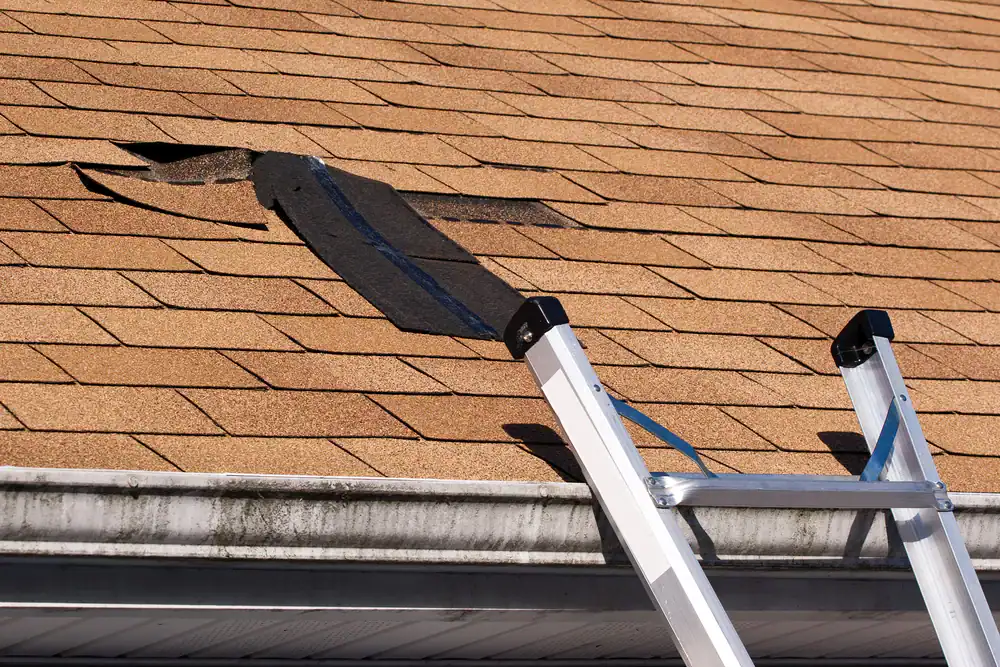
Hurricane-force winds create their own problems. They can lift shingles just enough to break seals without tearing them off completely. These partially lifted shingles become entry points for water during the next storm. Wind also drives debris into gutters and against flashing, creating damage that’s easy to miss but expensive to ignore.
The timing matters too. Insurance companies often have strict deadlines for filing storm-related claims. Getting a professional inspection within days of a major weather event documents any damage while it’s fresh and clearly storm-related. Wait months, and your insurance company might question whether the damage was really from that specific storm.
Texas law requires most claims to be filed within one year of the storm event, but the sooner you document damage, the stronger your position becomes.
Real estate transactions create unique inspection needs that go beyond routine maintenance checks. If you’re buying, you want to know exactly what you’re getting into. If you’re selling, you want to address issues before they become deal-breakers.
Pre-purchase inspections reveal the true condition of a roof that might look fine from street level. We can spot aging materials, improper installations, and hidden damage that could cost thousands after you close. We’ll also give you realistic timelines for when major repairs or replacements might be needed.
This information becomes powerful during negotiations. Maybe the roof has five good years left, or maybe it needs replacement within two years. Either way, you can factor those costs into your offer or ask the seller to address issues upfront.
For sellers, getting ahead of roof issues makes sense financially. Buyers’ inspectors will find problems anyway, and you’ll be negotiating from a weaker position. A pre-listing inspection lets you choose how to handle repairs—whether that’s fixing them yourself, adjusting your price, or offering credits to buyers.
Documentation matters here too. Professional inspection reports provide the detailed evidence that satisfies lenders, insurance companies, and helps smooth the closing process. Some insurance companies require roof inspections for policies on older homes, so having recent documentation can speed up coverage approval.
Want live answers?
Connect with a Southern Roofing Solutions expert for fast, friendly support.
A thorough roof inspection covers more ground than most homeowners realize. We don’t just look at shingles—we’re evaluating your entire roofing system from multiple angles.
The process typically starts with exterior examination from ground level, then moves to on-roof inspection when safe to do so. We also check interior spaces like attics to spot issues that aren’t visible from outside.
You’re looking at about 2-4 hours for a complete residential inspection, depending on your home’s size and complexity.
The exterior inspection reveals the most obvious issues, but we know where to look for problems that homeowners typically miss.
Shingle condition gets primary attention. We look for curling, cracking, blistering, or missing shingles. We’re also checking for granule loss—those small pebbles that protect asphalt shingles from UV damage. Significant granule loss in gutters signals aging shingles that may need replacement soon.
Flashing inspection is critical but often overlooked by homeowners. Flashing seals the joints around chimneys, vents, skylights, and other roof penetrations. Loose, corroded, or missing flashing creates direct pathways for water infiltration. We check these seals carefully because flashing failures cause some of the most expensive water damage.
Gutters and drainage systems get thorough examination too. Clogged gutters can cause water backup that damages roof edges and fascia boards. We look for proper water flow, secure attachments, and signs of overflow damage.
The inspection extends beyond the roof itself. We examine fascia boards, soffits, and even siding near the roofline. These components work together as a system, and problems in one area often indicate issues elsewhere.
Edge details matter more than most people realize. Proper shingle overhangs, drip edge installation, and gutter positioning all affect how well your roof sheds water. Small problems in these areas can lead to rot and structural damage over time.
Interior inspection often reveals problems that aren’t visible from outside, making it a crucial part of any thorough roof evaluation.
Water stains on rafters, insulation, or ceiling materials indicate current or past leaks. We can often determine whether stains represent active leaks or old damage that’s been repaired. We’re also looking for mold growth, which can develop quickly in humid Southeast Texas conditions.
Ventilation assessment is particularly important in our climate. Poor attic ventilation leads to heat buildup that ages roofing materials faster and creates ice dam conditions during rare freezing weather. Proper airflow also prevents moisture accumulation that can cause mold and wood rot.
Insulation condition provides clues about roof performance. Wet or compressed insulation suggests moisture problems, while inadequate insulation can indicate energy efficiency issues that affect your comfort and utility bills.
Structural elements get attention too. We look for sagging rafters, cracked support beams, or other signs of structural stress. These problems can indicate overloading from multiple roof layers, inadequate original construction, or damage from severe weather.
Daylight visible through roof boards signals immediate problems requiring urgent attention. Any opening that lets light through also lets water in during storms.
We document everything with photos and detailed notes. This documentation becomes valuable for insurance claims, warranty issues, or future reference when planning maintenance and repairs.
Professional roof inspections give you the information needed to make smart decisions about your home’s protection. You’ll know what needs immediate attention, what you can plan for, and how to budget for your roof’s future.
The key is working with experienced local roofers who understand Southeast Texas weather challenges and can guide you through both routine maintenance and insurance processes when storm damage occurs.
We bring decades of experience helping homeowners navigate these decisions with honest assessments and transparent communication about your options.
Summary:
Article details:
Share: