Learn everything about flat roofing systems, from benefits and drawbacks to essential maintenance practices that protect your investment in Gulf Coast climates.
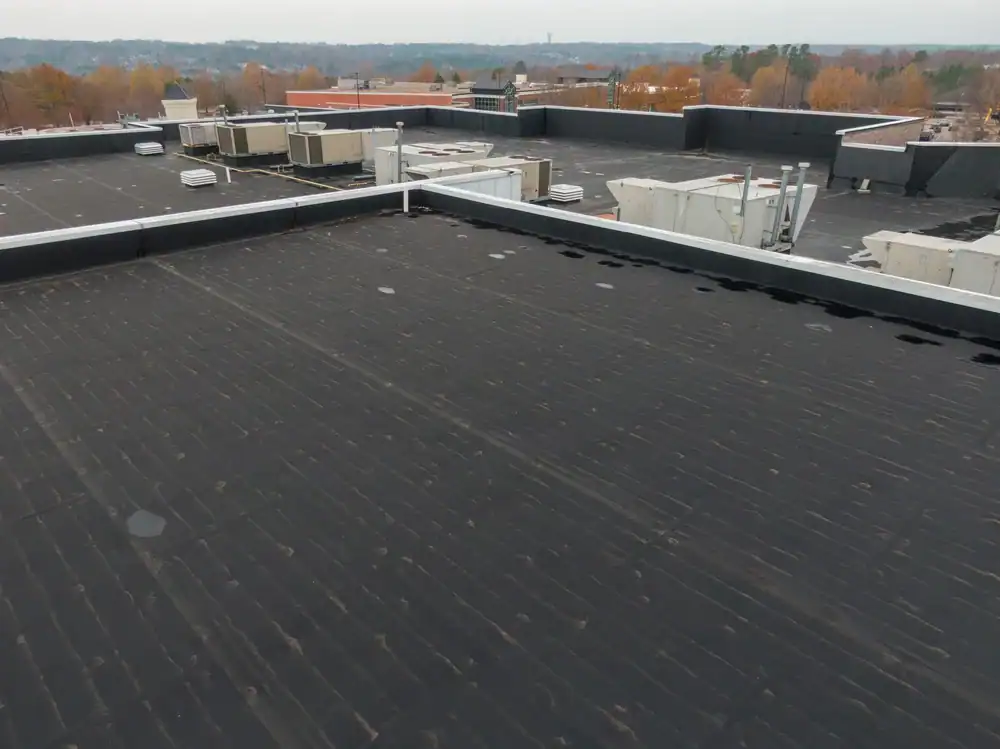
Let’s start with the bottom line: flat roofing can save you thousands upfront compared to pitched alternatives covering the same square footage. But the real value goes beyond initial cost savings.
Your flat roof gives you usable space that pitched roofs simply can’t match. Need somewhere secure for your HVAC equipment? Want to install solar panels without complex mounting systems? Considering a rooftop garden or outdoor area? Flat roofing makes all of this possible.
Modern flat roofing materials have also solved many traditional problems. Today’s TPO, PVC, and modified bitumen systems routinely last 20-30 years when properly maintained, while reflective coatings can drop your roof surface temperature by 50 degrees—a game-changer during Texas and Louisiana summers.
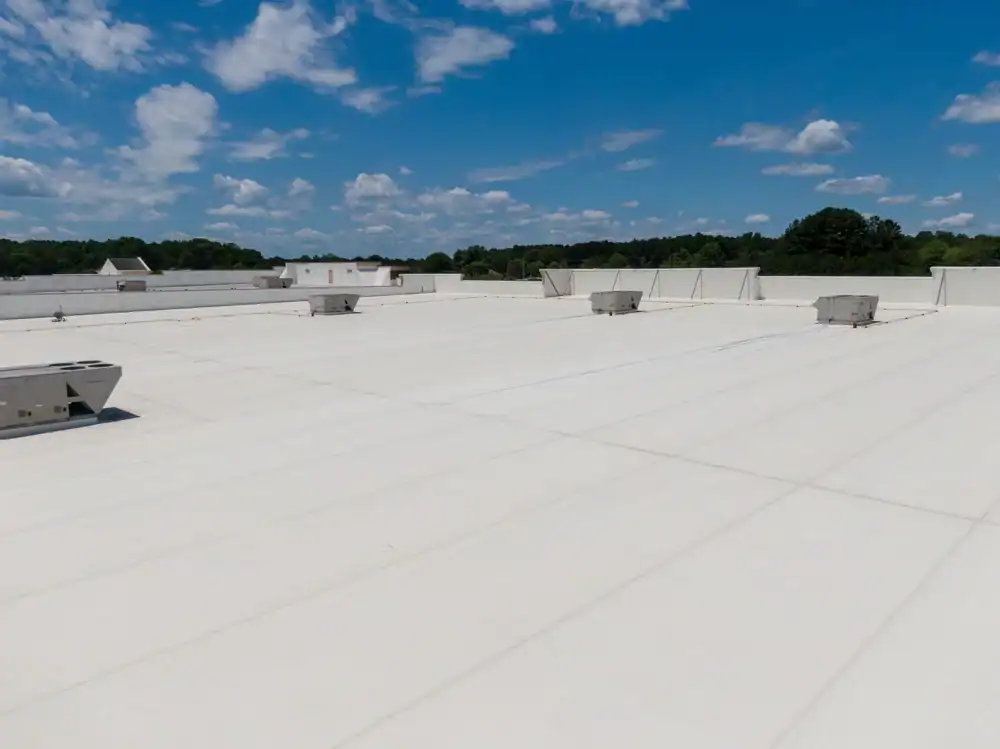
Here’s where flat roofing really shines in our hot, humid climate. The spray foam insulation typically used with flat roof systems creates a complete air seal around your building. Unlike the fiberglass batting in pitched roofs, spray foam stops air leaks that drive up cooling costs.
You’ll notice the difference on your energy bills, especially during those brutal summer months when temperatures stay above 100 degrees for weeks. Property owners consistently report lower cooling costs after switching to properly insulated flat roof systems.
The installation process also means less disruption to your daily routine. Flat roofing materials come in large rolls rather than individual pieces, so we can complete most installations faster. For businesses, this means fewer days of noise, dust, and disruption to your customers.
Maintenance becomes more manageable too. Walking on a flat surface is inherently safer than navigating a sloped roof, making routine inspections and minor repairs much more straightforward. This easier access often leads to better maintenance habits, which directly extends your roof’s lifespan.
The clean, modern aesthetic appeals to many property owners as well. Flat roofs complement contemporary architectural styles and provide unobstructed sight lines that can enhance your property’s overall appeal and market value.
One of flat roofing’s biggest advantages gets overlooked: the extra functional space you gain. While pitched roofs offer limited utility, your flat roof can accommodate installations and activities that add real value to your property.
Moving your HVAC equipment to the roof protects it from vandalism, storm debris, and ground-level damage while often improving system efficiency. Rooftop units typically run more efficiently due to better airflow and reduced noise transmission into occupied spaces.
Solar panel installation becomes straightforward on flat roofs. You get more flexibility in panel positioning and angle optimization, often resulting in better energy production than sloped installations. The easier access also reduces installation costs and makes future maintenance simpler.
Residential flat roofs open possibilities for rooftop gardens, outdoor living areas, or recreational spaces. Commercial properties can house additional equipment, create storage areas, or even expand usable space with proper engineering approval.
The key is working with contractors who understand the structural requirements and waterproofing details needed to support these uses safely. Done right, these additions can significantly boost your property’s functionality and value.
Remember though—any additional use requires proper planning and professional installation to maintain your roof’s integrity and warranty coverage.
Want live answers?
Connect with a Southern Roofing Solutions expert for fast, friendly support.
Every roofing system has challenges, and flat roofs are no exception. The difference is knowing what problems to expect and how to address them before they become expensive headaches.
Water management tops the list of concerns, especially in our Gulf Coast climate where sudden downpours and high humidity create ongoing stress on roofing systems. Unlike pitched roofs that shed water quickly through gravity, flat roofs need carefully designed drainage systems to prevent ponding.
Our intense Texas and Louisiana sun creates another set of challenges. Daily temperature swings cause roofing materials to expand and contract repeatedly, potentially leading to membrane stress, cracking, or seam separation. Quality materials and proper installation minimize these issues, but they remain ongoing considerations.
The good news? Most flat roof problems are preventable or manageable when you know what to look for and address issues promptly.
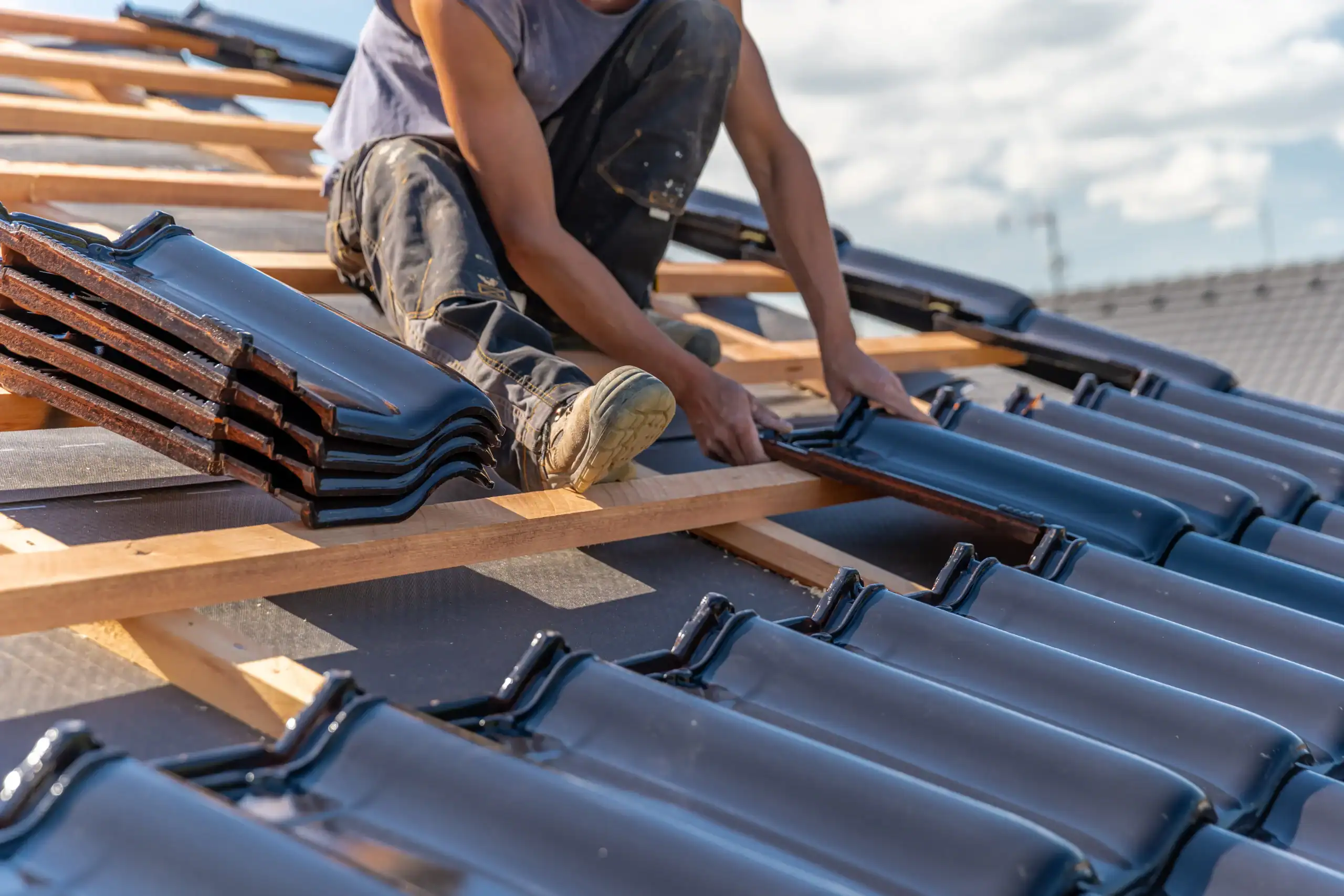
Water issues cause the most expensive flat roof repairs, but they’re also the most preventable when you know the warning signs. In Southeast Texas and Southwest Louisiana, where heavy rains can dump inches in hours, proper water management becomes critical.
Ponding water is your biggest red flag. If water remains standing 48 hours after rainfall, you have a drainage problem that needs professional attention. This standing water adds unnecessary weight while creating conditions that break down your roof membrane and eventually lead to leaks.
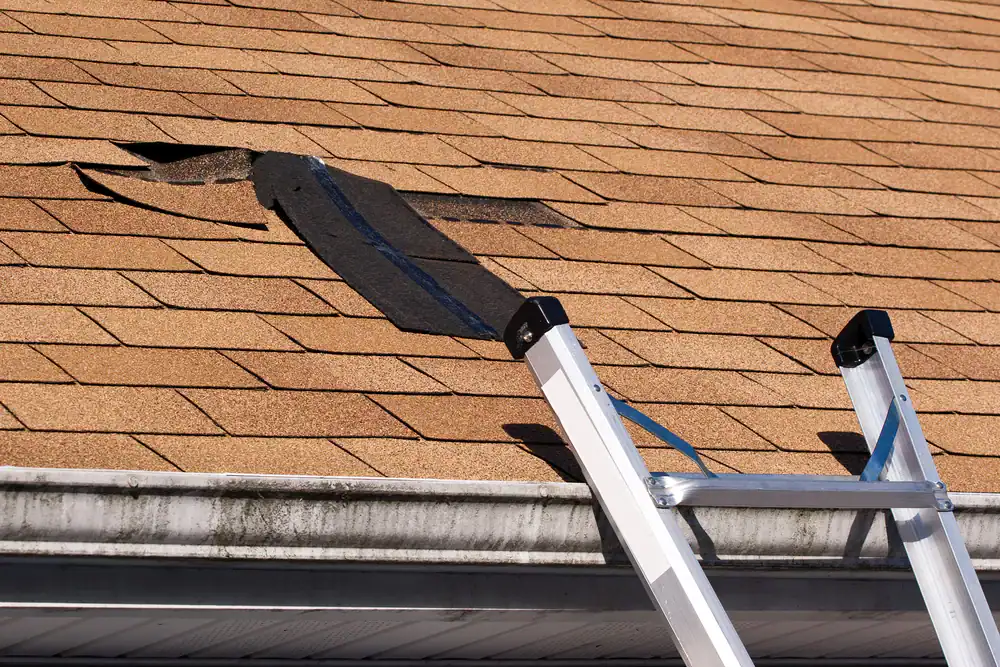
Membrane blistering shows up as bubble-like protrusions where moisture gets trapped between roofing layers. This problem develops quickly in hot, humid conditions when inadequate ventilation allows moisture buildup. Catch these early and they’re relatively easy to repair—ignore them and they’ll eventually rupture.
Flashing failures around vents, HVAC units, and drains create the most common leak points. The combination of thermal movement and weather exposure causes sealants to fail or metal flashing to separate from the membrane. Regular inspection of these areas helps you spot problems before water gets inside.
Seam separation happens gradually, starting as small gaps that expand over time. Professional repair involves thorough cleaning, proper adhesives, and correct overlap techniques to restore watertight integrity.
Keep your drainage systems clear and functional. Blocked drains, gutters, or scuppers can’t handle sudden downpours, leading to backup conditions that cause ponding. Regular cleaning, especially after storms or during fall, protects your investment and prevents water-related damage.
Consistent maintenance is your best insurance against premature roof replacement and emergency repairs. In our challenging Texas and Louisiana climate, proactive care becomes even more important for protecting your investment.
Schedule inspections at least twice yearly—spring and fall work well—plus after any major weather events. Walk your roof carefully, looking for damage, wear, or developing problems. Focus on seams, flashing, and areas around roof penetrations where most leaks start.
Don’t underestimate debris removal. Leaves, branches, and other materials accumulate on flat surfaces and won’t shed naturally like they do on sloped roofs. This debris holds moisture against your membrane and blocks drainage systems. Clean removal prevents damage and eliminates conditions that promote mold and mildew growth.
Keep drainage systems functioning properly. Clear all drains, gutters, and scuppers regularly, checking that water flows freely through all components. Address blockages immediately—poor drainage leads to ponding water, which accelerates deterioration and creates leak risks.
Professional inspections complement your own efforts. Experienced flat roofing contractors can spot subtle problems you might miss, such as early membrane degradation, developing stress points, or drainage inadequacies. Annual professional inspections often catch issues while they’re still affordable to fix.
Consider protective coatings for additional defense against UV damage and thermal cycling. Reflective coatings protect your membrane while reducing cooling costs by reflecting heat instead of absorbing it. These coatings need periodic reapplication but offer excellent return through extended roof life and energy savings.
Document everything you find during inspections and any maintenance you perform. This record helps track your roof’s condition over time and provides valuable information when repairs become necessary. Good documentation also supports warranty claims and insurance matters if storm damage occurs.
Flat roofing systems deliver real benefits for property owners in Southeast Texas and Southwest Louisiana—from upfront cost savings to long-term energy efficiency advantages. Success comes down to understanding both the opportunities and challenges these systems present in our unique Gulf Coast environment.
The key to satisfaction with your flat roof lies in making informed choices about materials, finding quality installation, and maintaining consistent care practices. Modern roofing materials and proper installation techniques address most traditional flat roof concerns, while regular maintenance protects your investment for decades.
Whether you’re considering new flat roof installation or working to maximize your current system’s performance, partnering with experienced local professionals makes all the difference. We understand the specific challenges flat roofs face in our region and can help you make decisions that protect both your property and your budget for years ahead.
Summary:
Article details:
Share: