When storms strike, every minute counts. Learn essential emergency roof repair steps to protect your home and save money.
Not every roof issue demands a midnight call to a contractor, but some situations can’t wait until business hours. Understanding the difference between urgent repairs and routine maintenance can save you thousands in secondary damage.
Active water intrusion tops the emergency list. If you see water dripping into your home, pooling on floors, or spreading across ceilings, you’re dealing with an emergency. Water doesn’t pause for convenient timing—it keeps flowing until something stops it.
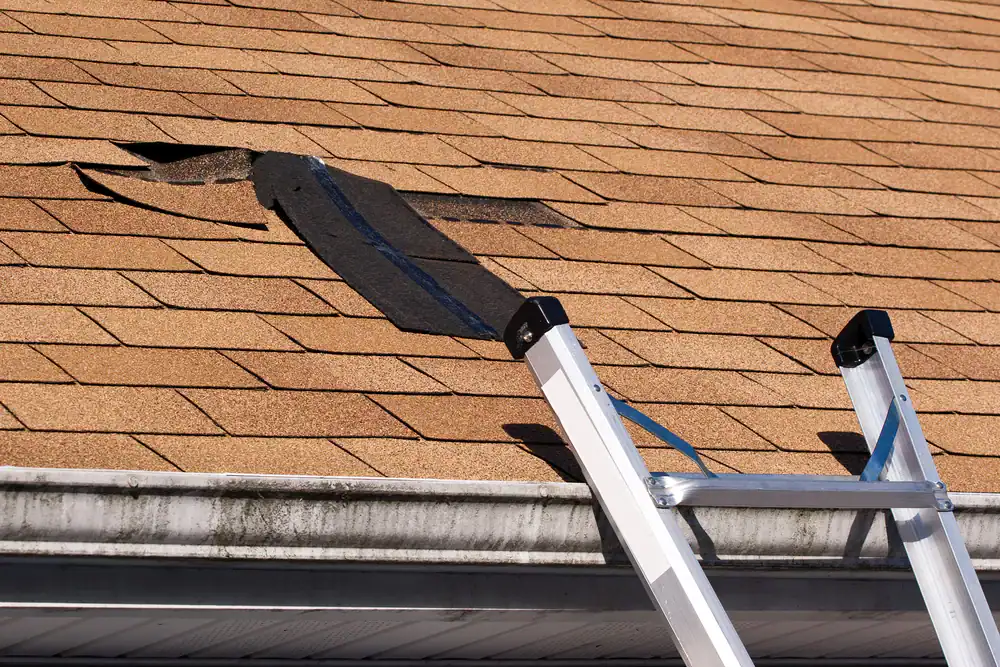
Missing or severely damaged shingles after a storm also qualify as emergencies, especially if they expose the roof deck to the elements. Even without visible leaks, exposed decking absorbs moisture rapidly, leading to rot and structural damage that costs far more than the original repair.
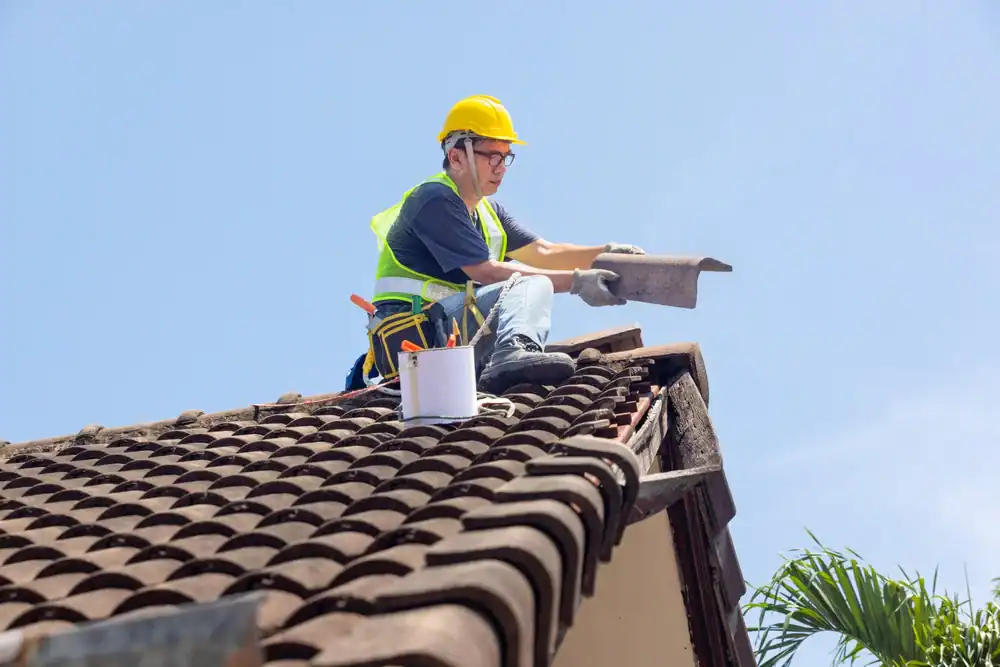
Some damage signals require professional intervention within hours, not days. Recognizing these signs helps you prioritize your response and avoid costly delays, especially in storm-prone areas like Jasper County, TX, and Jefferson County, TX.
Sagging areas in your roof or ceiling indicate potential structural compromise. This isn’t the time for DIY solutions—sagging suggests that water has already weakened support beams or decking. Walking on or near these areas can be dangerous, and the damage typically worsens rapidly without professional intervention.
Large holes or punctures from fallen debris create immediate vulnerability. These openings allow rain, wind, and pests direct access to your home’s interior. Even if the weather has cleared, the next rainfall will cause significant damage through these entry points.
Electrical hazards compound roof emergencies. If water is dripping near electrical outlets, fixtures, or appliances, shut off power to affected areas immediately. Water and electricity create deadly combinations, and professional assessment becomes critical before any repair work begins.
Multiple leak points often indicate widespread damage that requires systematic professional evaluation. While you might successfully patch one small leak, multiple entry points suggest underlying issues that temporary fixes won’t address. We can assess the full scope of damage and prioritize repairs to prevent further deterioration throughout Orange County, TX, Hardin County, TX, and surrounding areas.
While waiting for professional help, there are safe temporary measures you can take to minimize damage. These aren’t permanent solutions, but they can prevent thousands of dollars in secondary damage when done correctly.
Tarping represents your most effective temporary solution for large damaged areas. Use heavy-duty tarps secured with 2×4 lumber strips and screws, not just weights or ropes. The key is creating a watertight seal that extends well beyond the damaged area. Overlap the tarp at least two feet past the damage on all sides, and ensure water can drain away from the tarp rather than pooling on top.
For smaller roof leaks, roofing cement or sealant can provide temporary relief. Clean the area around the leak thoroughly before applying any sealant—wet or dirty surfaces won’t create lasting seals. Apply sealant generously, extending coverage several inches beyond the visible damage. This works best for small cracks or loose flashing, not major structural damage.
Interior damage control is equally important. Move valuables away from leak areas and place buckets or containers to catch dripping water. Use plastic sheeting to protect furniture and flooring from water damage. Document everything with photos for insurance purposes before moving items or cleaning up water.
Safety must remain your top priority during any temporary repairs. Never attempt roof work during storms, on wet surfaces, or if you’re uncomfortable with heights. If you can’t safely access the damaged area from inside your attic or through a window, wait for professional help. Emergency room visits cost more than emergency roof repairs, and insurance doesn’t cover injuries from unsafe DIY attempts.
Want live answers?
Connect with a Southern Roofing Solutions expert for fast, friendly support.
Insurance claims can feel overwhelming when you’re dealing with roof damage, but understanding the process helps you maximize your coverage and minimize out-of-pocket costs. The key is acting quickly while documenting everything thoroughly.
Contact your insurance company immediately after discovering damage. Most policies require prompt notification, and delays can complicate your claim. Provide detailed information about when the damage occurred, what caused it, and the extent of the problem. Be honest and factual—exaggerating damage can jeopardize your entire claim.
Your insurance adjuster will schedule an inspection to assess the damage and determine coverage. Be present during this inspection and ask questions about anything you don’t understand. Take your own photos and notes to supplement the adjuster’s report. If you disagree with their assessment, you have the right to request a second opinion or hire a public adjuster to represent your interests.
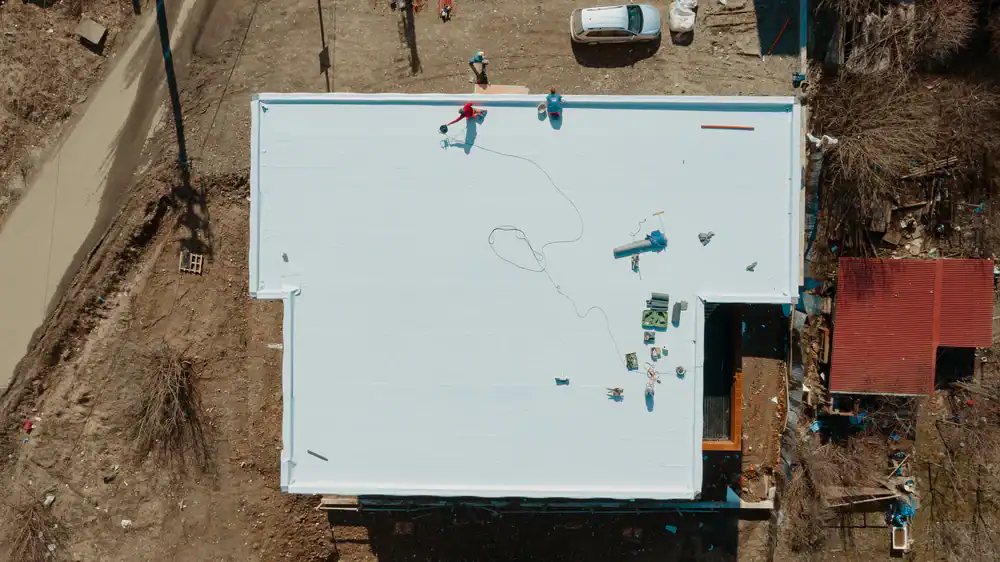
Proper documentation can make the difference between full coverage and a denied claim. Insurance companies require evidence of damage, and the quality of your documentation directly impacts your settlement.
Photograph everything before making any temporary repairs. Take wide shots showing the overall damage, then close-ups of specific problems. Include reference objects like coins or rulers to show the size of hail damage or cracks. Photograph the interior damage as well—water stains, damaged belongings, and affected areas help establish the full scope of the loss.
Keep detailed records of all expenses related to the damage. This includes emergency repair costs, temporary lodging if your home becomes uninhabitable, and replacement costs for damaged belongings. Save receipts for tarps, buckets, and any materials you purchase for temporary repairs. These expenses are often reimbursable under your policy.
Create a timeline of events leading to the damage. Note the date and time of the storm, when you discovered the damage, and when you contacted your insurance company. This timeline helps establish the cause of damage and demonstrates your prompt response to the situation.
Don’t dispose of damaged materials until your insurance company gives approval. Adjusters may need to examine damaged shingles, insulation, or other materials to confirm the cause and extent of damage. Store damaged items in a safe, dry location where they won’t cause additional problems but remain available for inspection. This is especially important in humid climates like Liberty County, TX, and Calcasieu Parish, LA, where materials can deteriorate quickly.
Homeowner’s insurance policies vary significantly in their coverage of roof damage, and understanding your specific policy prevents surprises during the claims process. Review your policy documents before you need them, not after damage occurs.
Most policies cover sudden, accidental damage from covered perils like wind, hail, and falling objects. However, they typically exclude damage from lack of maintenance, normal wear and tear, or gradual deterioration. This distinction becomes crucial when adjusters evaluate your claim—they’ll look for evidence that the damage resulted from a specific storm event rather than long-term neglect.
Deductibles significantly impact your out-of-pocket costs. Many policies have separate, higher deductibles for wind and hail damage, especially in storm-prone areas like Tyler County, TX, and Polk County, TX. These deductibles are often percentage-based rather than flat dollar amounts, meaning they increase with your home’s value. A 2% wind deductible on a $300,000 home means you’ll pay the first $6,000 of repair costs.
Replacement cost versus actual cash value affects your settlement amount. Replacement cost coverage pays for new materials at current prices, while actual cash value deducts depreciation from the settlement. For roofing materials, this difference can be substantial—a 10-year-old roof might receive only 60% of replacement cost under an actual cash value policy.
Additional living expenses coverage helps if storm damage makes your home uninhabitable. This coverage pays for hotel stays, restaurant meals, and other expenses while repairs are completed. Understanding the limits and duration of this coverage helps you plan accordingly and avoid unexpected costs during the repair process. In areas like Beauregard Parish, LA, where hurricane damage can require extensive repairs, this coverage becomes particularly valuable.
Time works against you when your roof is compromised. What starts as a manageable repair can quickly escalate into major reconstruction if water continues entering your home unchecked.
Water damage spreads exponentially, not linearly. A small leak might cause minimal damage in the first few hours, but that same leak can destroy insulation, warp framing, and create mold conditions within days. The longer water has access to your home’s interior, the more expensive the restoration becomes.
Acting quickly also preserves your insurance coverage. Most policies require you to take reasonable steps to prevent additional damage after a loss occurs. Failing to tarp a damaged roof or remove standing water can give your insurance company grounds to deny coverage for secondary damage. Quick action protects both your home and your claim.
When you need emergency roof repair, don’t wait for the storm to pass completely. Contact us immediately for rapid response and professional assessment throughout the Texas and Louisiana Gulf Coast region. Your home’s protection can’t wait for perfect weather, and neither should your peace of mind.
Summary:
Article details:
Share: