Your complete resource for understanding residential roofing options, costs, and contractor selection in Southeast Texas and Southwest Louisiana's challenging climate.
Not all roofing materials are created equal, especially when you’re dealing with Gulf Coast weather. What works in Colorado might fail miserably during a Louisiana hurricane or Texas heat wave.
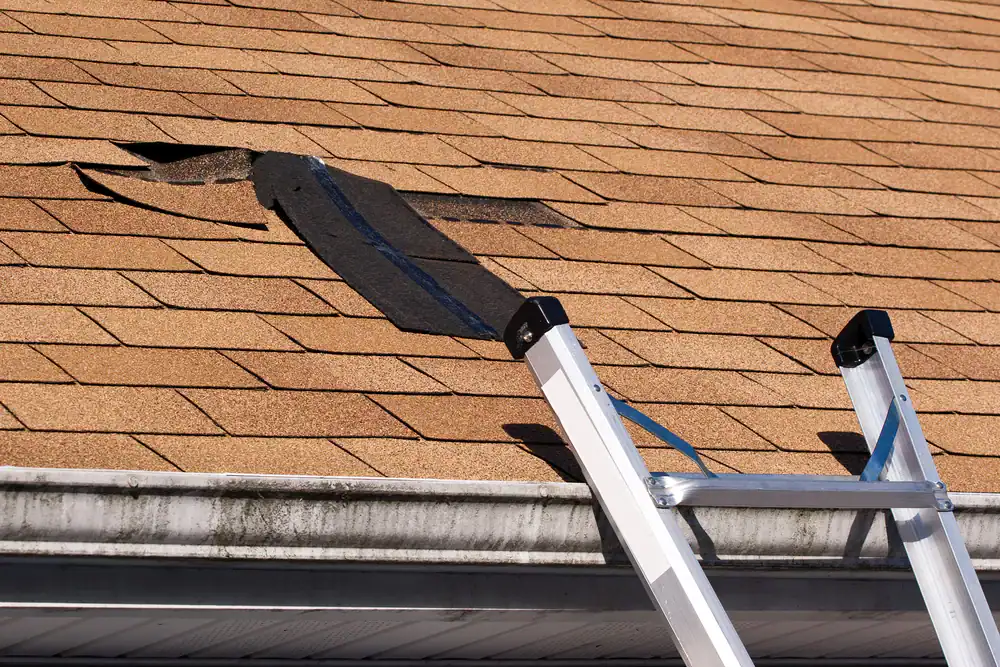
The three main categories you’ll encounter are asphalt shingles, metal roofing, and specialty materials like tile or slate. Each has distinct advantages and drawbacks in our climate. Asphalt shingles dominate the market because they’re affordable and relatively durable, but they’re not your only option.
Understanding how each material performs in high humidity, extreme heat, and severe weather will save you money and headaches down the road. The right choice depends on your budget, your home’s architecture, and how long you plan to stay in your current home.
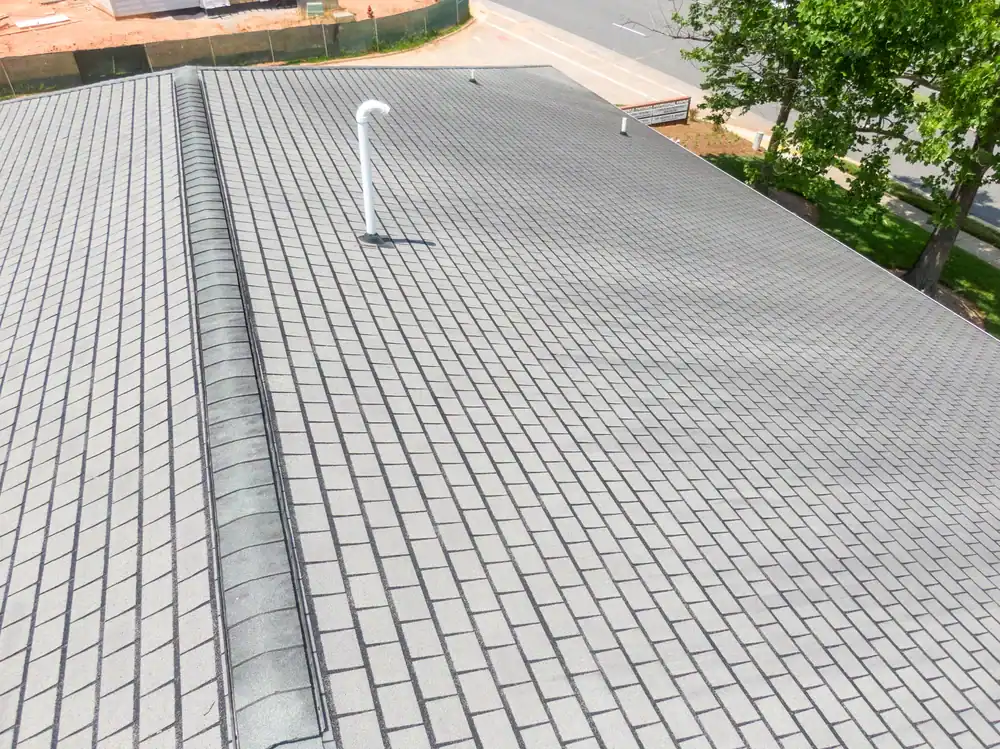
Asphalt shingles cover nearly 80% of American homes, and for good reason. They offer the best balance of affordability, performance, and availability that most homeowners need.
You’ll find two main types: 3-tab shingles and architectural shingles. 3-tab shingles are the budget option, typically lasting 15-20 years and costing between $7,300 to $10,600 for an average home. They’re flat, uniform, and get the job done without breaking the bank.
Architectural shingles cost more upfront—usually $11,200 to $17,100—but they’re worth the extra investment in our climate. They’re thicker, more durable, and designed to handle higher winds. Most come with 25-30 year warranties and offer better protection against the kind of weather we see in Southeast Texas and Southwest Louisiana.
The key advantage of asphalt shingles in our region is their proven track record. Local contractors know how to install them properly, replacement materials are readily available after storms, and insurance companies understand their performance characteristics. When Hurricane Laura or Hurricane Ida tears through, you won’t be waiting months for specialty materials to arrive.
However, asphalt shingles do have limitations in extreme heat. They can become brittle over time, and the constant expansion and contraction from temperature swings can cause premature aging. If you’re in an area that regularly sees Category 3+ hurricanes, you might want to consider upgrading to impact-resistant shingles or exploring metal options.
The bottom line: architectural asphalt shingles represent the sweet spot for most homeowners. They’re affordable enough to fit most budgets, durable enough to handle our weather, and familiar enough that any qualified contractor can install them properly.
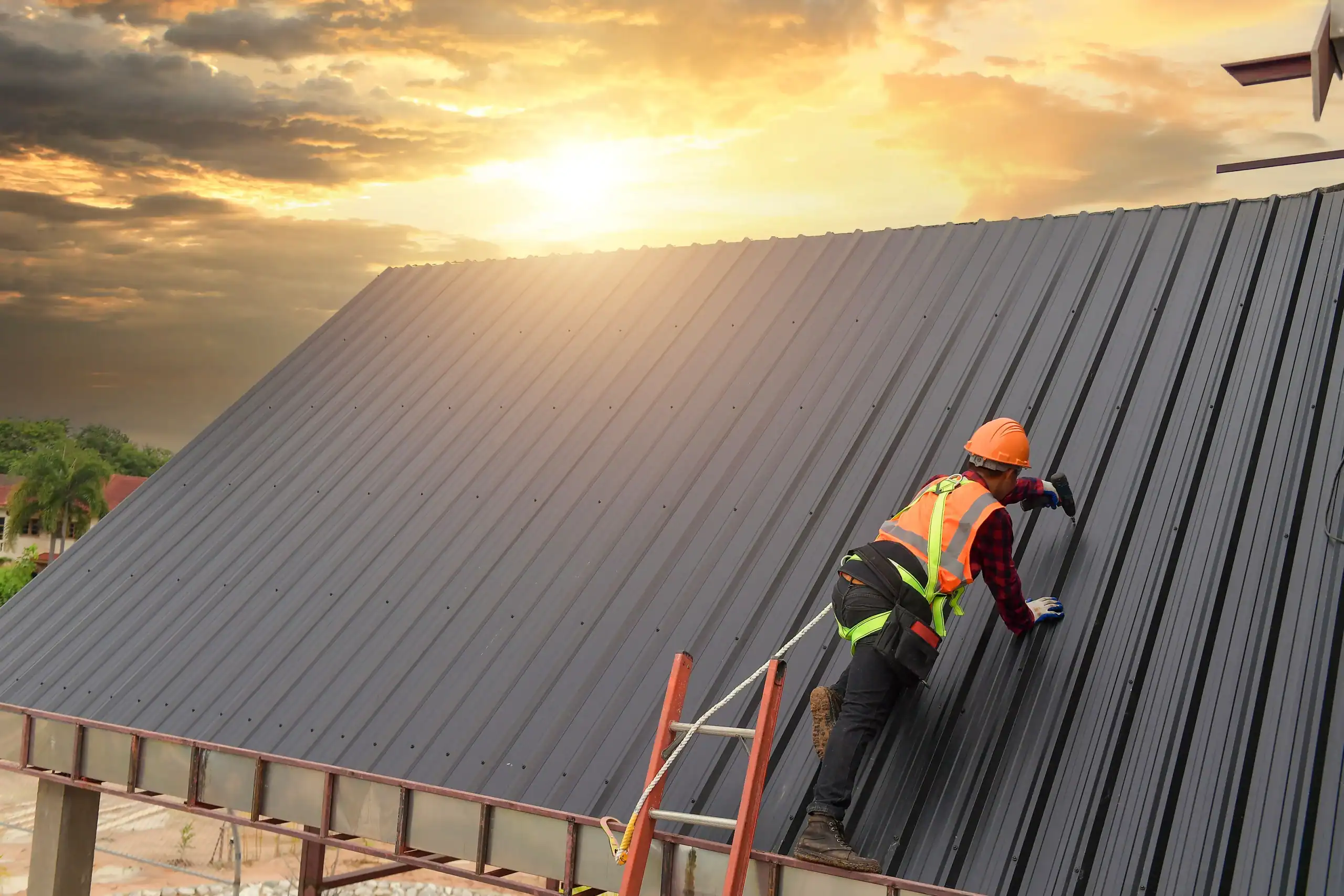
Metal roofing has gained serious traction in hurricane-prone areas, and it’s easy to see why. These systems can withstand winds up to 140 mph, resist impact damage from hail and debris, and last 40-70 years with minimal maintenance.
The upfront cost is higher—expect to pay $16,500 to $42,300 depending on the style—but the long-term value often makes sense. Metal roofs reflect heat rather than absorbing it, which can significantly reduce your cooling costs during those brutal summer months. Some homeowners see energy savings of 10-25% on their utility bills.
Standing seam metal roofing is the premium option. The panels interlock without exposed fasteners, creating a watertight seal that’s virtually maintenance-free. Screw-down metal systems cost less but require more upkeep since the exposed screws can work loose over time.
One concern many homeowners have is noise. Yes, metal roofs can be louder during heavy rain or hail, but proper installation with adequate insulation minimizes this issue. Most homeowners adapt quickly and appreciate the peace of mind that comes with knowing their roof can handle whatever Mother Nature throws at it.
The insurance benefits are real too. Many insurance companies offer discounts for impact-resistant metal roofing, and some policies even provide better coverage for homes with hurricane-rated materials. When you factor in the energy savings, insurance discounts, and the fact that you’ll likely never need another roof replacement, metal roofing often pays for itself.
The main drawbacks are the higher initial cost and the need for experienced installers. Not every roofing contractor has the skills and equipment to properly install metal roofing systems. Choose your contractor carefully and make sure they’re certified by the manufacturer to protect your warranty.
Want live answers?
Connect with a Southern Roofing Solutions expert for fast, friendly support.
Roofing costs have increased significantly over the past few years, with materials up about 20% since 2022. The good news is that prices appear to be stabilizing, but you still need realistic expectations about what your project will cost.
For an average 2,200 square foot home, you’re looking at $10,600 to $22,500 for a complete roof replacement, with most homeowners spending between $8,500 and $14,300. These numbers can vary significantly based on your material choice, roof complexity, and local labor costs.
The material you choose is the biggest factor in your final cost, but don’t forget about the hidden expenses that can add up quickly.
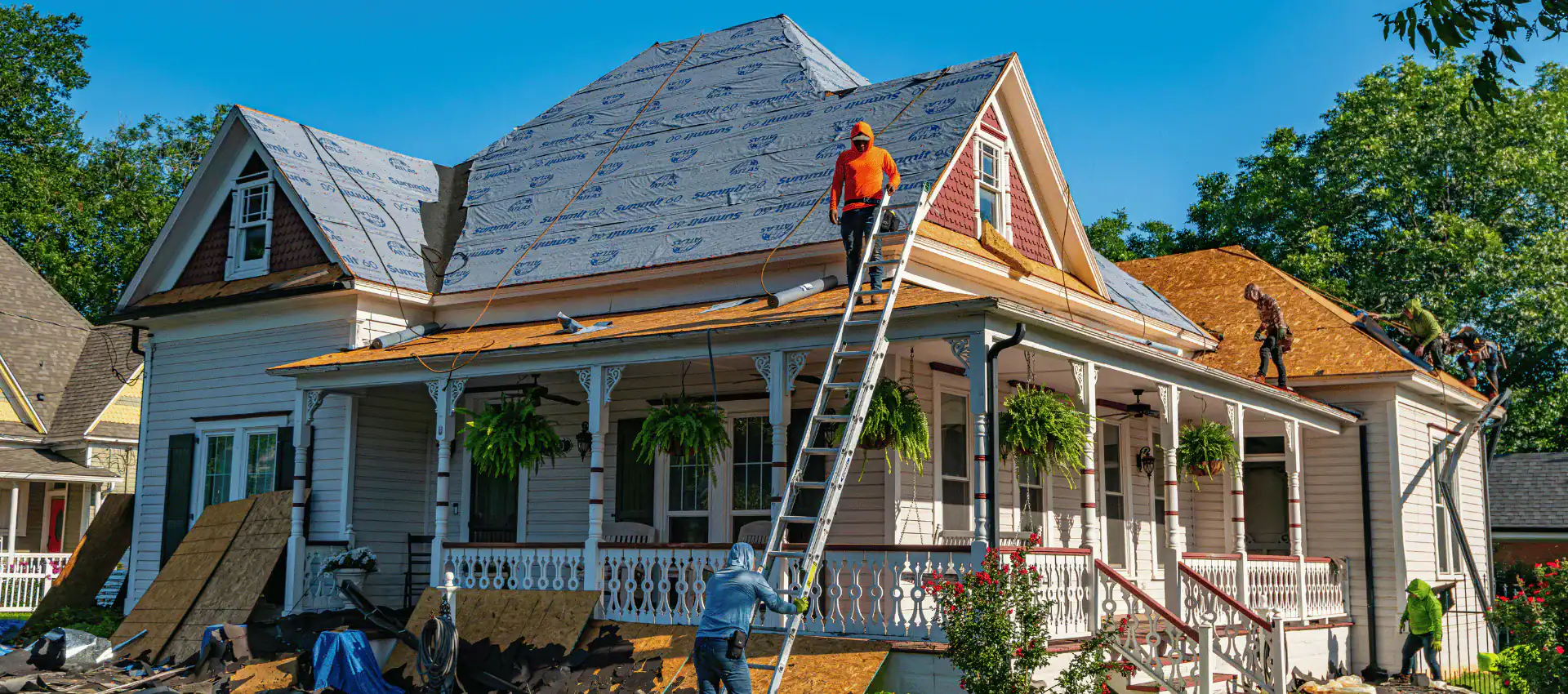
Understanding where your money goes helps you make better decisions and avoid surprises. A typical roof replacement breaks down into three main categories: materials (40%), labor (60%), and additional costs that many contractors don’t mention upfront.
Material costs vary dramatically by type. Basic 3-tab asphalt shingles run $100-150 per square (100 square feet), while architectural shingles cost $150-250 per square. Metal roofing jumps to $300-1,800 per square depending on the style and gauge.
Labor costs in Southeast Texas and Southwest Louisiana typically run $50-175 per square for asphalt shingles and $70-500 per square for metal roofing. These rates reflect the skill level required and the challenging working conditions during our hot, humid summers.
The hidden costs catch many homeowners off guard. Permit fees range from $100-500 depending on your local jurisdiction. Disposal of your old roof adds $300-800 to most projects. If your roof decking needs repair or replacement, add another $2-7 per square foot.
Storm damage work often involves additional complications. Insurance deductibles, temporary repairs, and emergency tarping services can add thousands to your project cost. However, if your roof qualifies for insurance coverage, these additional expenses are typically covered under your policy.
Don’t forget about the extras that improve performance but aren’t always included in basic quotes. Upgraded underlayment, ridge vents for better ventilation, and gutter replacement can add $1,000-3,000 to your project but often provide significant long-term value.
Smart homeowners get detailed written estimates that break down all these costs. This transparency helps you compare contractors fairly and avoid the surprise charges that can derail your budget.
Most homeowners don’t have $15,000-25,000 sitting around for a roof replacement, which is why understanding your financing options is crucial. The good news is that several paths can make your project affordable without breaking your monthly budget.
Insurance claims cover a significant percentage of roof replacements in our area. Hurricane, hail, and wind damage are typically covered under standard homeowner policies, though you’ll need to pay your deductible upfront. The key is documenting damage properly and working with contractors who understand the claims process.
Many roofing companies now offer financing programs with competitive rates. These arrangements let you spread the cost over 5-20 years with fixed monthly payments. Some programs offer promotional rates like 0% interest for the first 12-18 months, which can make sense if you can pay off the balance quickly.
Home equity loans or lines of credit often provide the lowest interest rates for major home improvements. If you have equity in your home, these options typically offer better terms than contractor financing. The interest may also be tax-deductible, though you should consult your accountant.
Personal loans are another option, though rates are typically higher than secured loans. The advantage is faster approval and no risk to your home’s equity. Many online lenders specialize in home improvement loans and can provide funding within days.
Some contractors offer cash discounts of 3-5% for upfront payment. If you have the funds available, this can provide meaningful savings on larger projects. However, never pay the full amount upfront—reputable contractors only require a small deposit to start work.
The worst option is usually putting the entire project on credit cards unless you have a promotional 0% rate and can pay it off quickly. Credit card interest rates make even expensive contractor financing look reasonable by comparison.
Whatever financing route you choose, make sure you understand all the terms and have a realistic plan for repayment. A new roof is a significant investment that should improve your home’s value and provide decades of protection.
Your roof is more than just protection from the weather—it’s your home’s first line of defense against everything our Gulf Coast climate can deliver. The decisions you make today about materials, contractors, and timing will affect your family’s comfort and safety for decades to come.
The key takeaways are straightforward: choose materials designed for our climate, work with contractors who understand local building codes and insurance requirements, and don’t cut corners on installation quality. Whether you go with proven asphalt shingles or invest in long-term metal roofing, proper installation matters more than the materials themselves.
Remember that the cheapest option upfront often costs more in the long run through repairs, energy costs, and premature replacement. Focus on value rather than just price, and always get multiple detailed quotes before making your decision.
When you’re ready to move forward with your roofing project, we have the local expertise and proven track record to guide you through the process and deliver the quality installation your home deserves.
Summary:
Article details:
Share: