
That small drip in your ceiling isn’t staying small. Every day you wait, water works deeper into your home’s structure, turning a manageable roof repair into a major restoration project.
When we fix your roof, you get back to normal life. No more buckets catching drips, no more worrying about the next storm, no more wondering if that wet spot on the ceiling is getting bigger. You get a roof that handles whatever Texas weather throws at it.
The peace of mind is immediate. You’ll sleep better knowing your family stays dry, your belongings stay protected, and your biggest investment—your home—maintains its value.
We understand what Hardin roofs face. We’ve seen how spring hailstorms can shred shingles in minutes, how summer heat can crack and curl materials, and how those sudden Texas downpours find every weak spot.
That’s why we use materials specifically rated for our climate. That’s why we know exactly what to look for when storms roll through. And that’s why Hardin homeowners call us first when they need roof work done right.
We’re not storm chasers who disappear after the check clears. We’re your neighbors, and we’ll be here when you need us again.
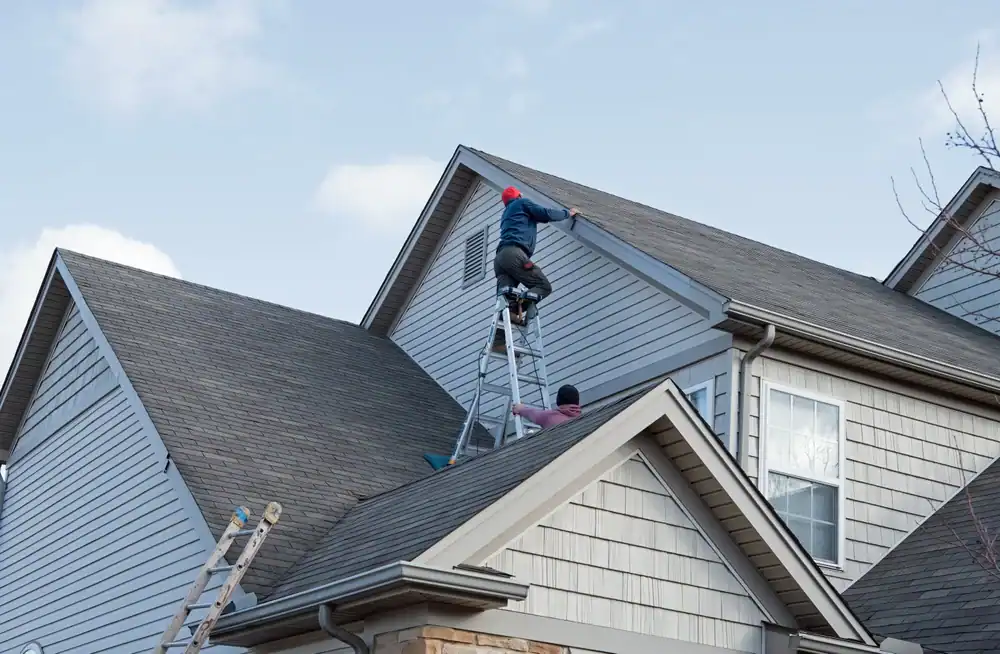
First, we inspect every inch of your roof—not just the obvious problem areas. Most homeowners only see the leak inside, but we find the actual source and any other damage that could cause problems later.
Next, we explain exactly what needs fixing and why. No confusing technical talk, no pressure tactics. Just straight answers about what’s wrong and what it takes to fix it properly.
Then we handle the repair with the right materials for Texas weather. We don’t cut corners or use whatever’s cheapest. Every repair gets materials that can handle our climate, installed by roofers who’ve done this thousands of times.
Finally, we clean up completely. You shouldn’t have to deal with nails in your driveway or debris in your yard. When we’re done, the only sign we were there is your fixed roof.
Ready to get started?
Every roof repair starts with finding the real problem. In Hardin, that often means hail damage that’s not obvious from the ground. We document everything for insurance purposes and show you exactly what needs attention.
Your repair includes materials designed for Texas weather extremes. We’re talking about shingles that won’t crack in our heat, flashing that handles our storms, and underlayment that stops water even when winds drive rain sideways.
We also handle the insurance paperwork if storm damage is involved. Most Hardin homeowners don’t realize their roof damage qualifies for coverage, or they don’t know how to document it properly. We walk you through the entire process.
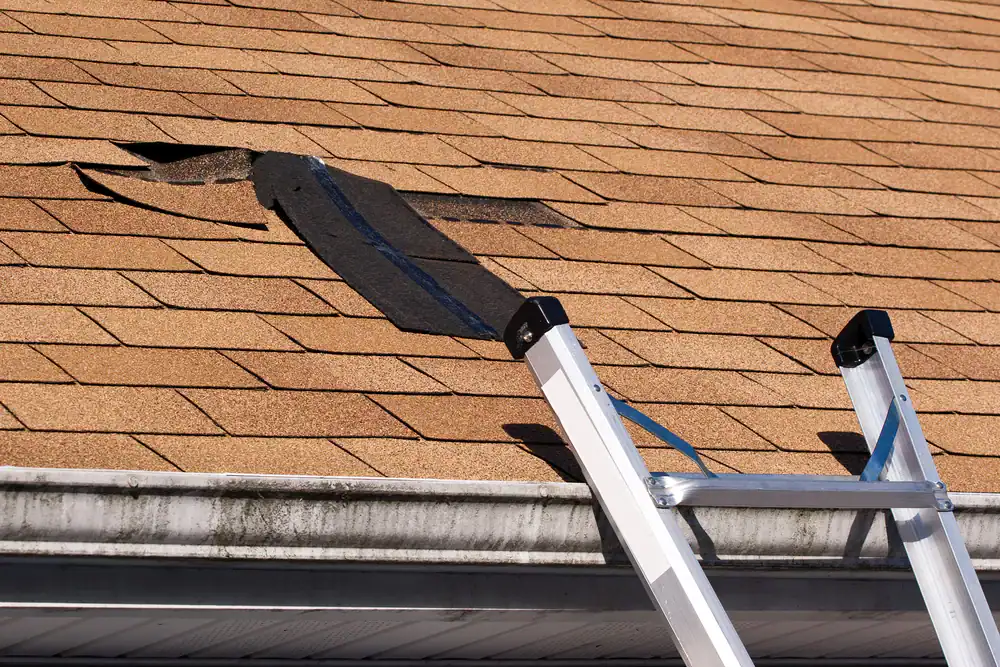
Check your gutters first—that’s where you’ll find the evidence. Loose granules from damaged shingles wash down during the next rain, collecting near downspouts. If you see a lot of granules, your shingles took a hit.
Look for dented gutters, damaged siding, or hail dents on your car. If any of these show damage, your roof probably does too, even if you can’t see it from the ground. Hail damage isn’t always immediately visible, but it weakens shingles and shortens their lifespan.
Don’t wait for leaks to appear inside your house. By then, water has already damaged your roof deck, insulation, and potentially your ceiling. Get a professional inspection within a few days of any significant storm.
Most Hardin homeowners spend between $300 and $1,000 on roof repairs annually, depending on the extent of damage and materials needed. Simple fixes like replacing a few shingles or sealing around flashing cost less than major storm damage repairs.
The real cost comes from waiting too long. A $400 repair becomes a $4,000 problem when water damage spreads to your roof deck and attic insulation. Emergency repairs after hours or during storms always cost more than planned maintenance.
We provide upfront pricing with no surprises. You’ll know exactly what the repair costs before we start work, and we’ll explain why each part is necessary for a lasting fix.
Most repairs take one day, weather permitting. Simple shingle replacement or flashing repairs usually finish in a few hours. Larger repairs might take two days, especially if we’re waiting for materials or dealing with extensive storm damage.
Texas weather affects timing more than the repair itself. We won’t start work if rain or high winds are forecast—it’s not safe for our crew and won’t result in quality work. We’ll reschedule rather than rush a job in poor conditions.
Emergency repairs to stop active leaks happen immediately, regardless of weather. We’ll get your roof weatherproofed quickly, then return to complete permanent repairs when conditions improve.
Most homeowner policies cover storm damage, including hail and wind damage common in Texas. The key is proper documentation and filing your claim promptly—most policies require claims within one year of damage.
We help document damage for insurance purposes, including photos and detailed reports of what needs repair. We’ve worked with adjusters countless times and know exactly what documentation they need to approve claims.
Not all damage qualifies for coverage. Normal wear and tear, poor maintenance, or damage from lack of proper ventilation typically isn’t covered. But storm damage, sudden leaks, and weather-related problems usually are.
Quality materials make the biggest difference. Cheap shingles crack in our heat, standard flashing fails in our storms, and basic underlayment doesn’t handle our weather extremes. We use materials specifically rated for Texas climate conditions.
Proper installation matters just as much as materials. Shingles need to be nailed correctly for our wind speeds, flashing must be sealed properly for our driving rains, and everything needs to account for thermal expansion in our temperature swings.
Regular maintenance extends any repair’s lifespan. Annual inspections catch small problems before they become major repairs, and keeping gutters clean prevents water backup that can damage even the best roof work.
Start with licensing and insurance—any contractor working on your roof should carry both liability insurance and workers’ compensation. Ask to see current certificates, not just business cards claiming they’re covered.
Check local references, not just online reviews. Talk to neighbors who’ve used the contractor recently. Drive by some of their completed jobs if possible. Quality work speaks for itself, and local contractors should have plenty of nearby examples.
Avoid door-to-door solicitors, especially after storms. Legitimate local contractors stay busy through referrals and don’t need to chase storms or pressure homeowners into quick decisions. Get multiple quotes and take time to make the right choice.
Other Services we provide in Hardin